The Rise of Contemporary African Art: Redefining Global Creativity
Contemporary African art is commanding the global spotlight, challenging old narratives and reshaping how the world experiences African creativity. From bold new voices and experimental techniques to growing international recognition and collector interest, a new generation of African artists is transforming the global art landscape on their own terms.
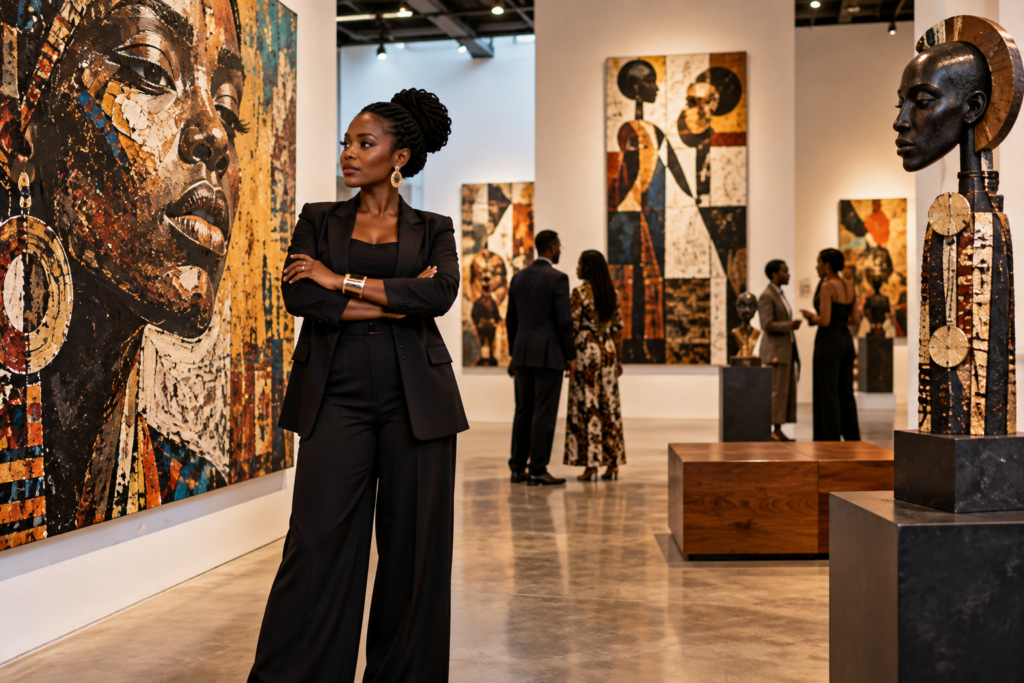
African contemporary art is experiencing one of the most exciting cultural renaissances in modern history. Across galleries, digital platforms, and international exhibitions, African artists are reshaping global perceptions of creativity, identity, and storytelling. Contemporary African art is no longer viewed as a niche category; it is now a powerful voice within the world’s artistic ecosystem. At the heart of this movement is the fusion of tradition and innovation.
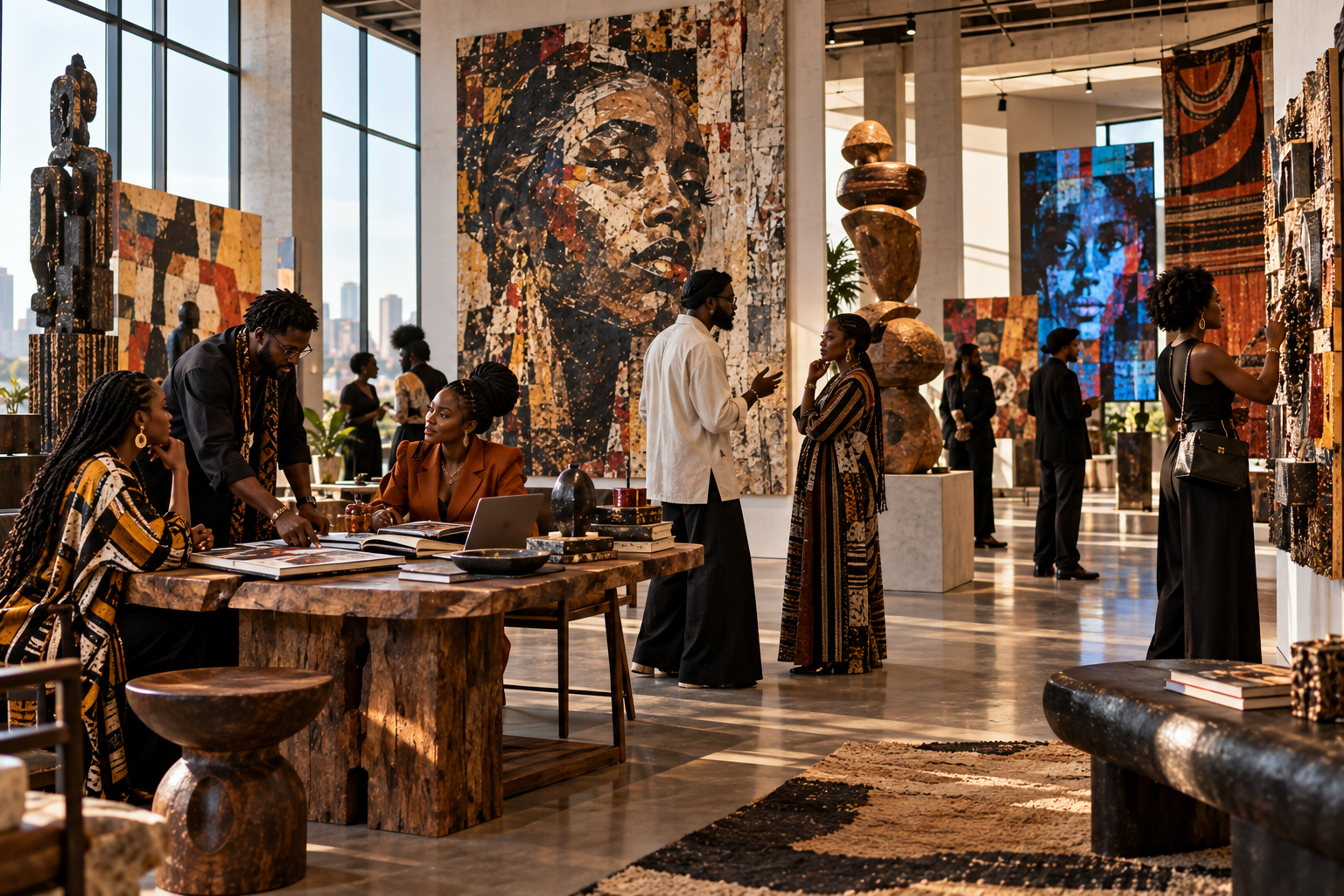
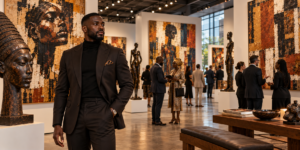
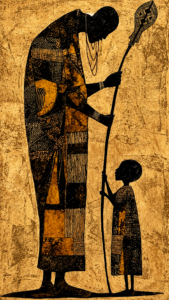
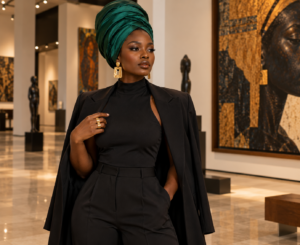
African contemporary artists draw inspiration from ancestral heritage, community life, spirituality, and historical memory while experimenting with modern techniques such as digital illustration, abstract expressionism, mixed media sculpture, and conceptual photography. This balance between past and present gives African art its distinctive emotional depth and visual strength. Global interest in African art has grown significantly over the past decade. International collectors, museums, and cultural institutions are increasingly recognizing the originality and intellectual richness embedded in African creative works. Major art auctions and exhibitions now feature African artists whose works explore social justice, urban transformation, migration, and cultural pride. This shift reflects a broader appreciation of diverse artistic narratives in the global art market. One of the most remarkable aspects of contemporary African art is its storytelling power, African artists often use visual symbolism to communicate experiences shaped by history, community struggles, celebration, and hope. Colours, patterns, and human figures are not chosen randomly; they carry cultural meaning and emotional resonance. For many artists, art serves as a bridge between generations, preserving memory while inspiring future innovation.
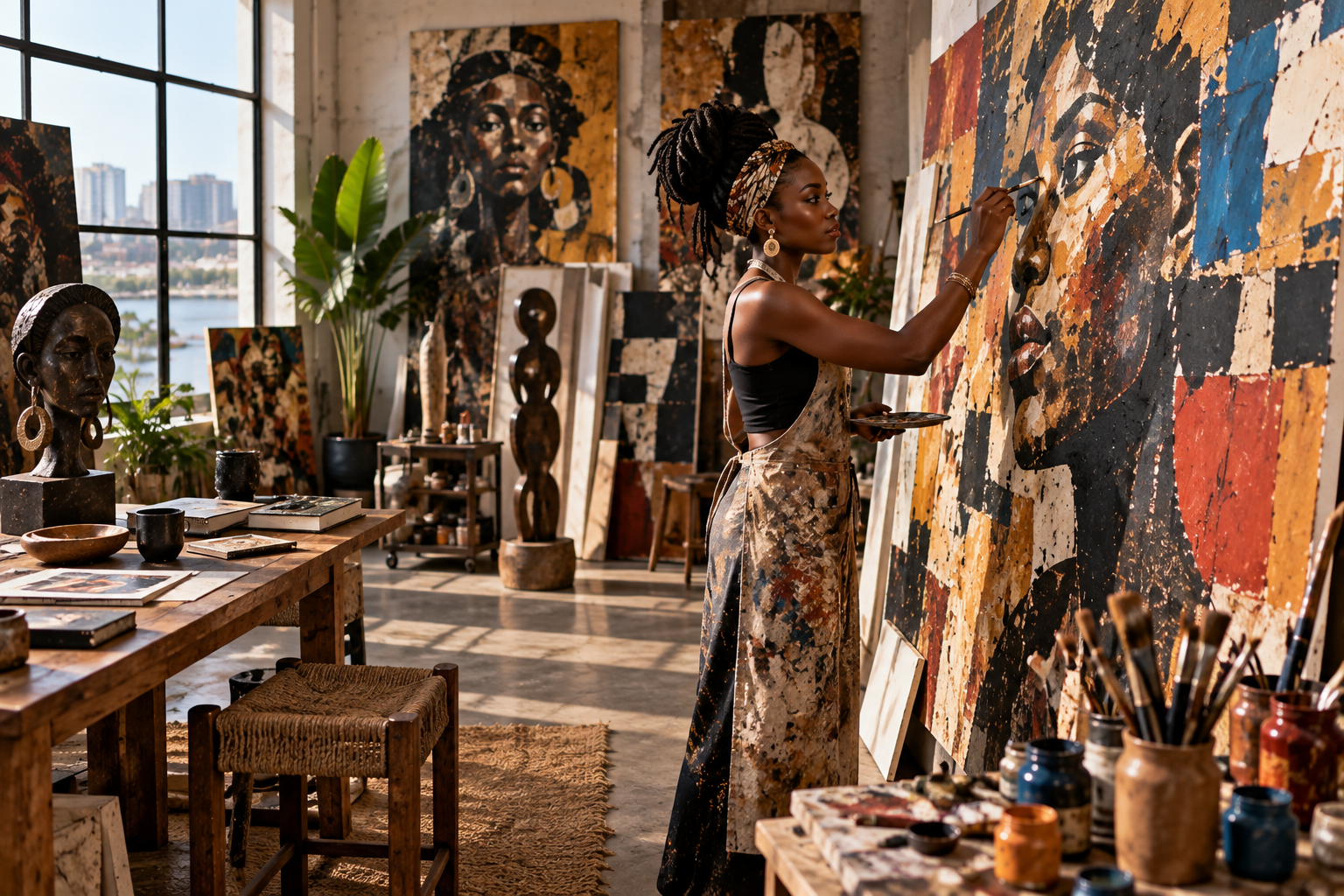
Technology has also played a transformative role in the growth of African art. Digital platforms have opened new possibilities for young creatives who may not have access to traditional gallery spaces, Social media networks allow artists to showcase their work directly to global audiences, build personal brands, and connect with buyers and collaborators. The rise of digital art, NFTs, and online galleries is helping African creators participate more actively in the global creative economy.
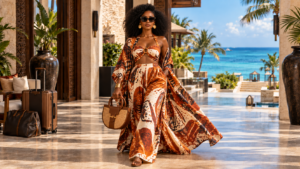
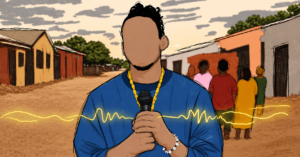
Urban African culture has become a major influence in contemporary art expression. Cities such as Lagos, Johannesburg, Nairobi, and Accra are vibrant creative hubs where street art, fashion art, music culture, and visual storytelling intersect. Urban African artists often capture everyday life experiences, transportation scenes, market activities, youth culture, and modern African fashion, transforming ordinary moments into powerful artistic statements.
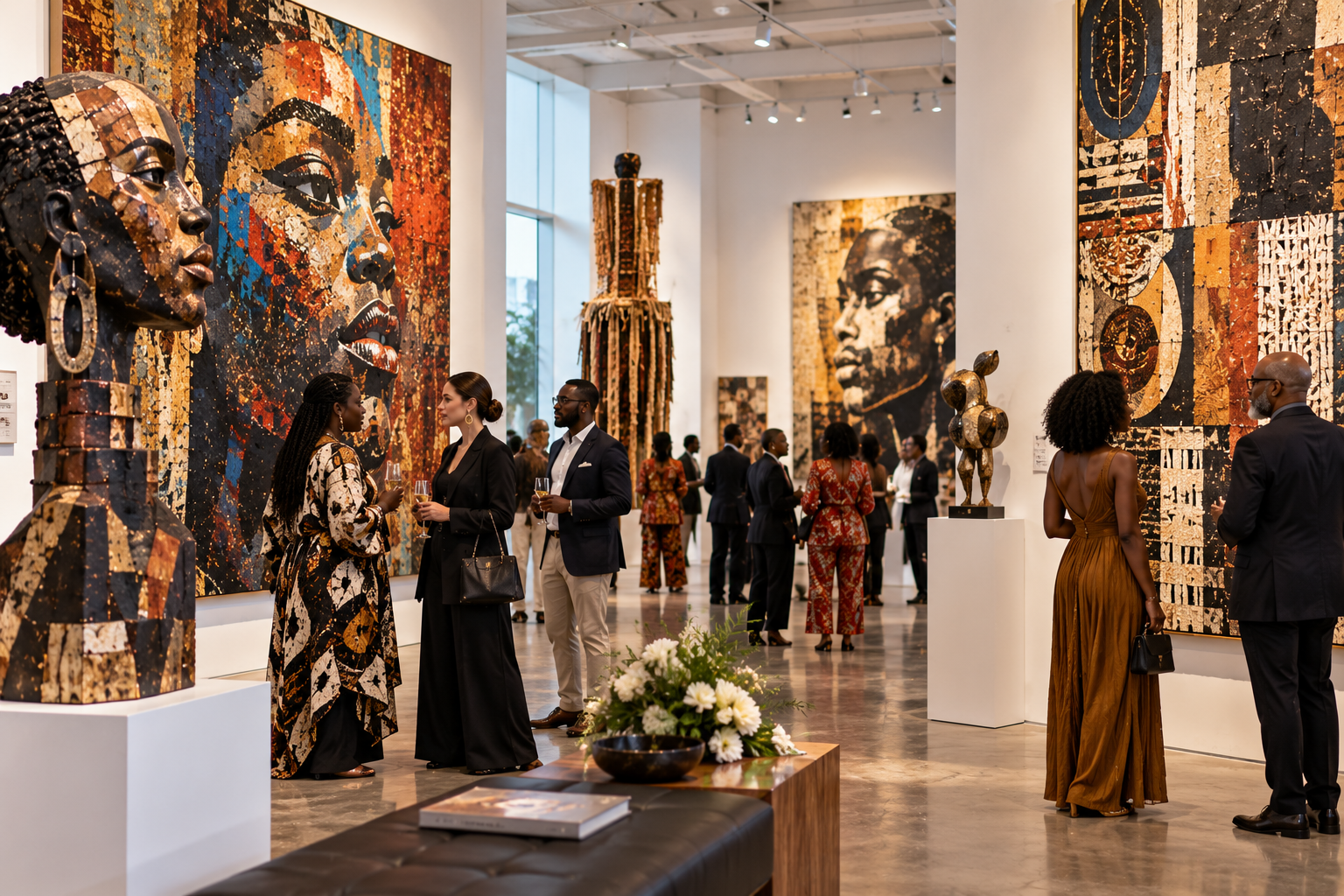
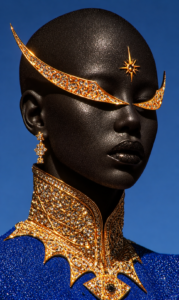
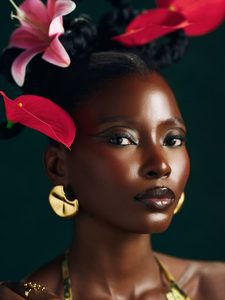
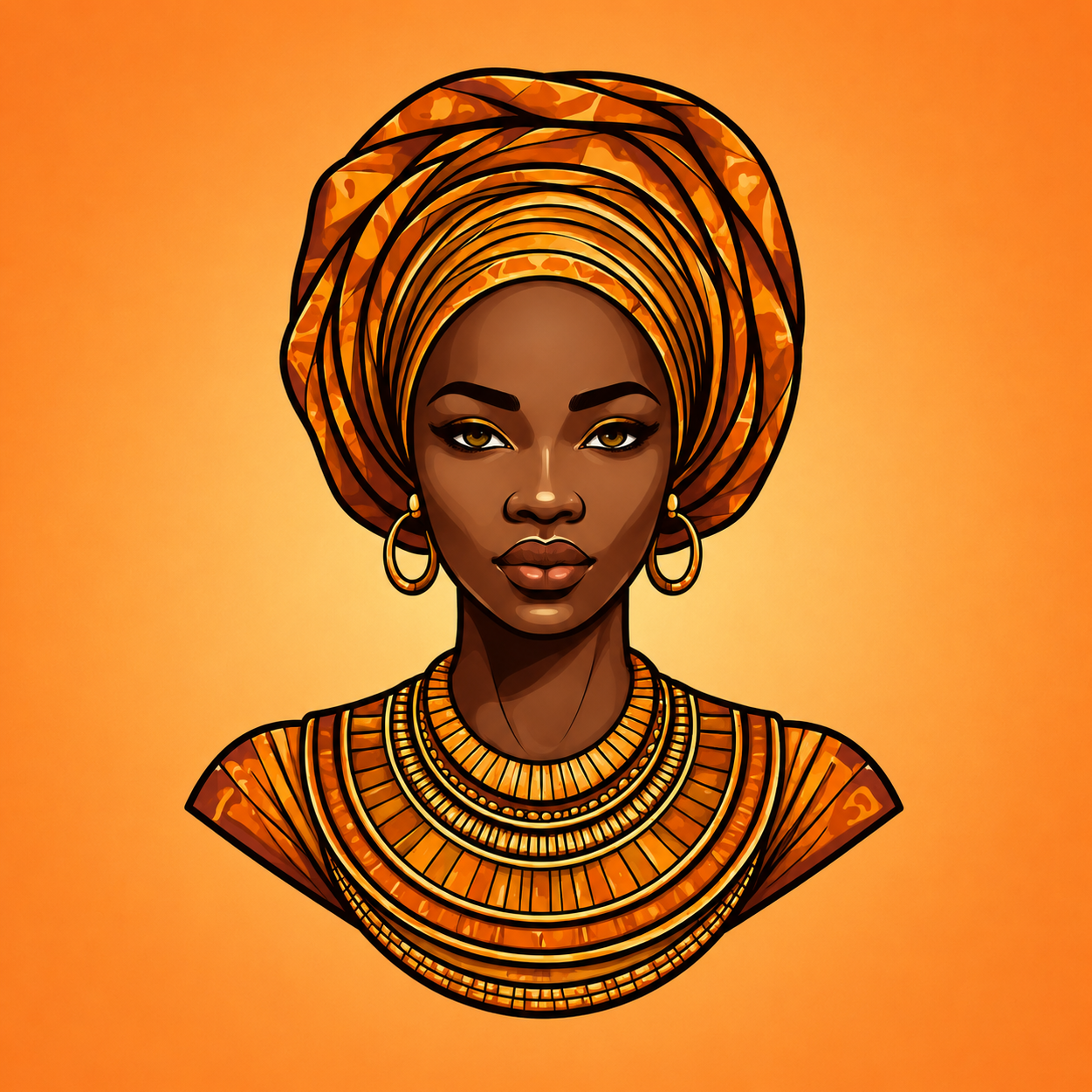
Afrocentric aesthetics are another defining feature of modern African art. Many artists celebrate African beauty standards, traditional clothing styles, natural hairstyles, and indigenous design patterns. This artistic celebration plays an important role in promoting cultural confidence and positive identity representation in global media. Art becomes not just decoration but a statement of pride, heritage, and self-expression.
The business potential of contemporary African art is also expanding rapidly. Art is becoming an important economic sector across the continent. Artists are learning entrepreneurial skills such as marketing, brand development, and international networking. Creative education programs, art mentorship communities, and cultural funding initiatives are helping young African talents transform passion into sustainable careers.
Despite the growth, African artists still face challenges such as limited local infrastructure, funding gaps, and unequal global market access. However, the resilience and creativity of African artists continue to drive progress. Many creators are building independent platforms, collaborating across borders, and exploring innovative distribution methods for their work.
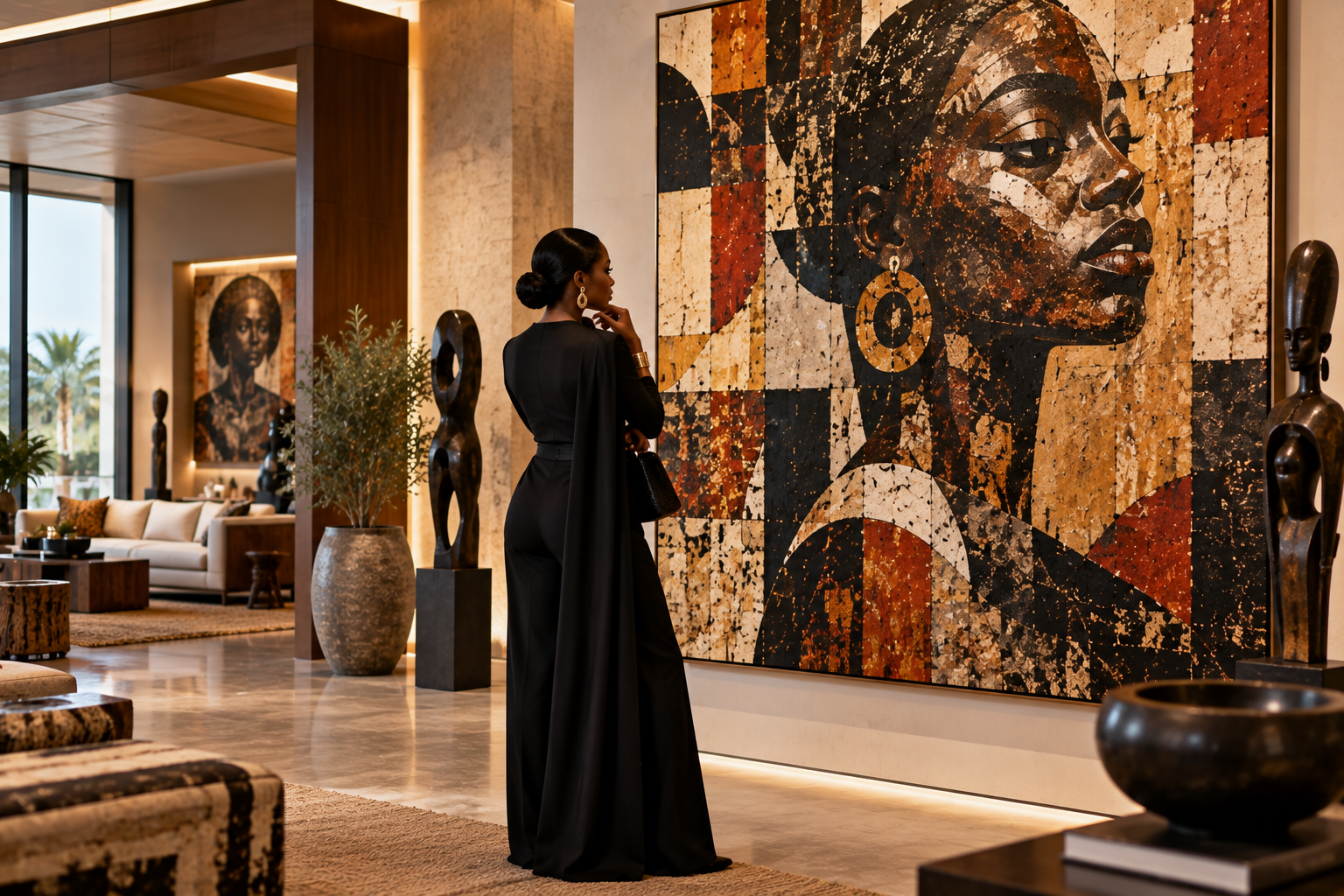
Looking forward, the future of contemporary African art is incredibly promising. As global audiences become more culturally aware, African creativity will likely play a stronger role in shaping international design, fashion, entertainment, and visual communication industries. The rise of Afro-futurism, digital art innovation, and cultural storytelling positions African artists as key contributors to the global creative future.
Contemporary African art is more than visual expression; it is cultural diplomacy, economic opportunity, and historical preservation. It reflects the voice of a continent rich in diversity, creativity, and resilience. As African artists continue to push boundaries, the world will increasingly recognize Africa not only as a source of artistic inspiration but as a leader in global creative transformation.
Ajoke Brown Media celebrates the power, beauty, and global influence of African art by supporting authentic storytelling and cultural excellence across the creative landscape.
Shop Art here