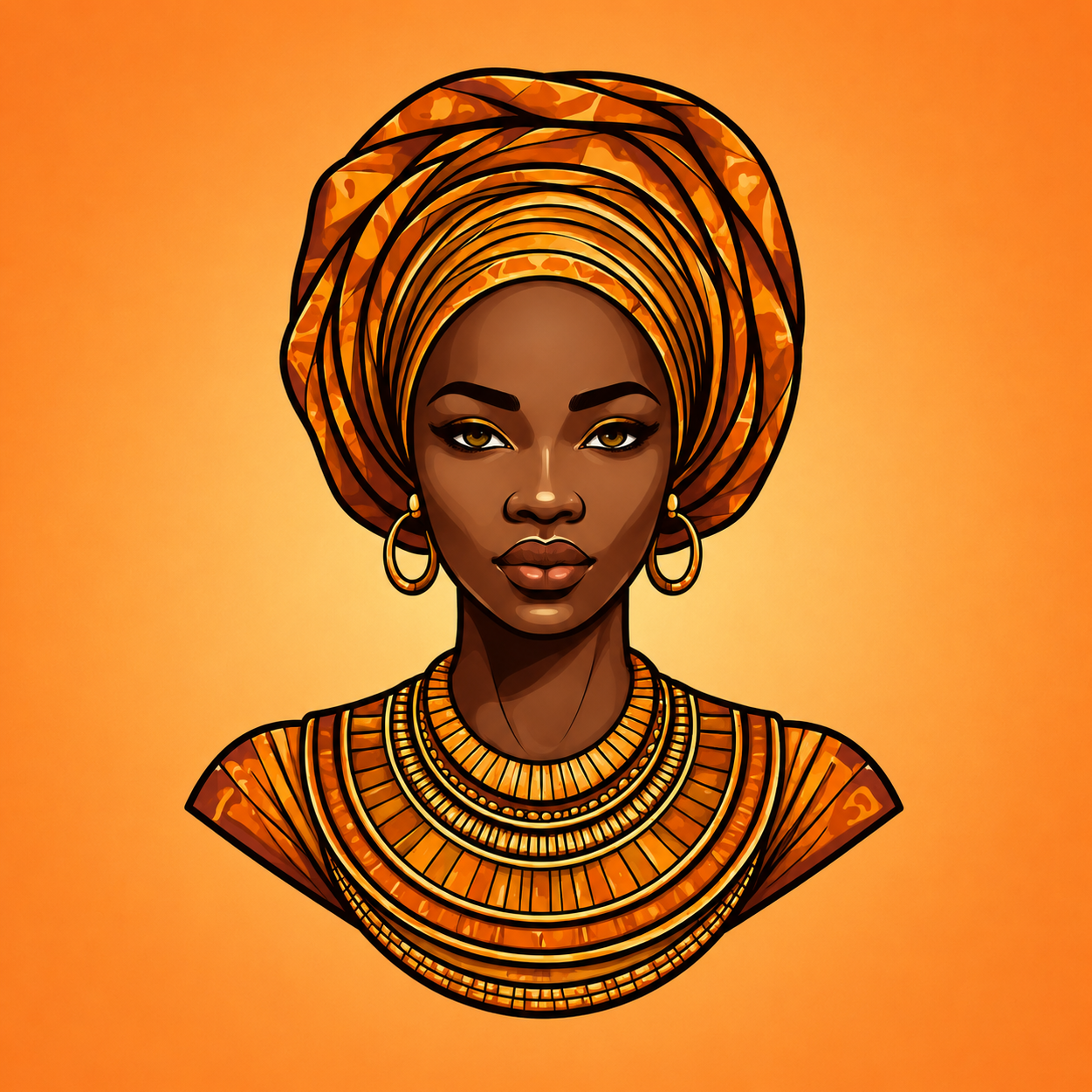
The Business of Art in Africa: Turning Creativity into Wealth and Global Influence
African art is becoming more than a powerful form of cultural expression, it is a growing economic force. From independent studios to galleries, collectors and international art fairs, African creatives are transforming talent into sustainable businesses, building wealth and expanding the continent’s influence within the global creative economy.
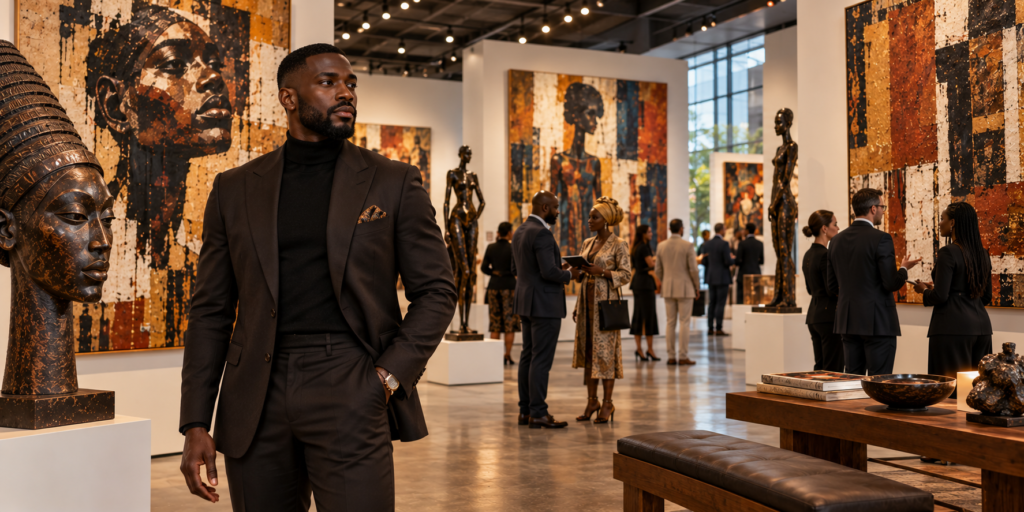
Across Africa, art is no longer viewed solely as cultural expression, it is emerging as a powerful economic force. From Lagos to Accra, Nairobi to Johannesburg, a new generation of creatives is transforming passion into profit and talent into thriving enterprises. The business of art in Africa is expanding rapidly, positioning the continent as a serious player in the global creative economy. For decades, many artists were told that creativity could not generate sustainable income. Today, that narrative is shifting. African artists are proving that art is not just beauty, it is business.
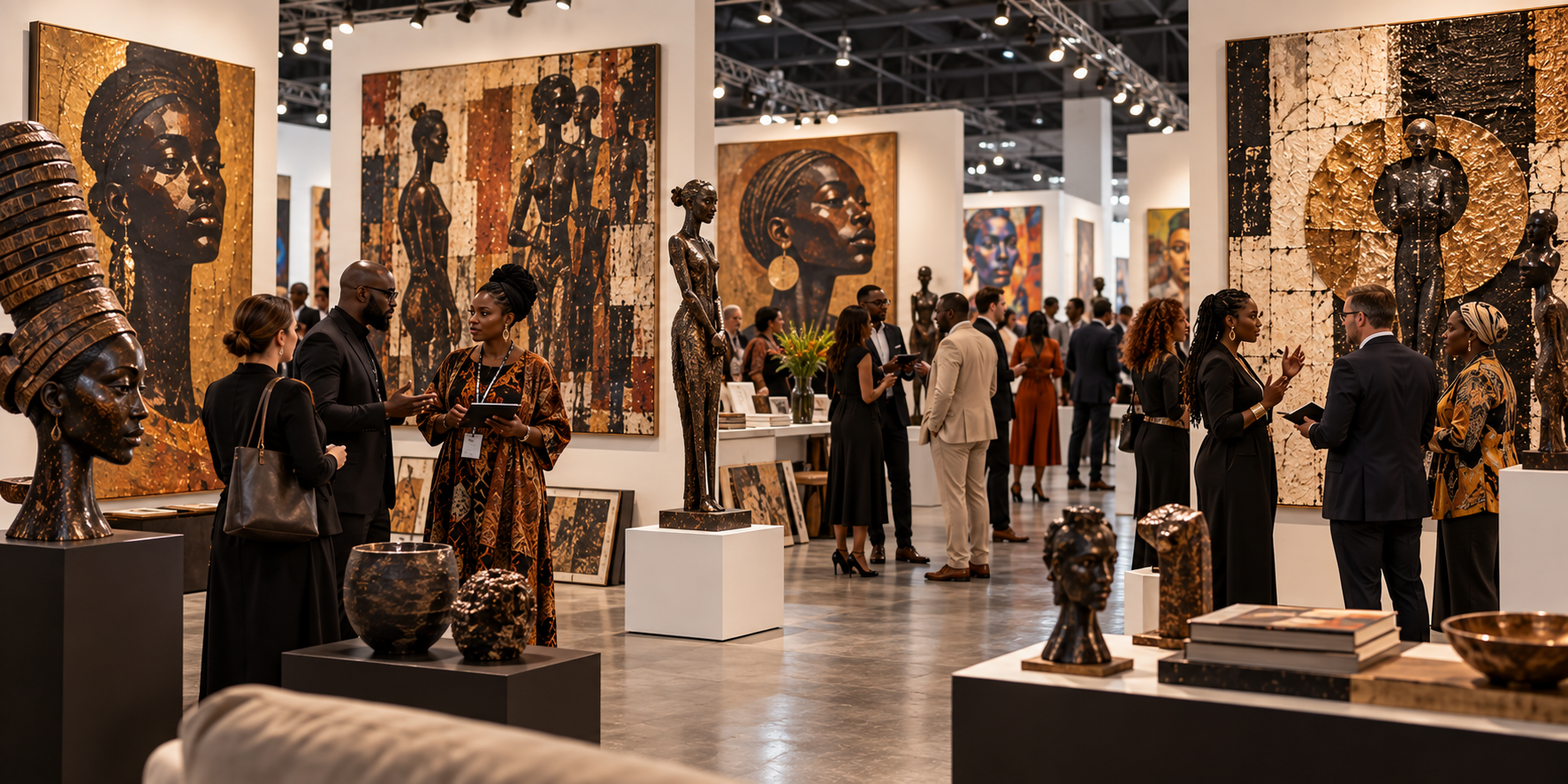
Africa’s Growing Creative Economy
The global art market is worth billions of dollars annually, and African art is claiming a stronger share of that market. International galleries, collectors, and auction houses are increasingly investing in contemporary African artists. This growing demand has opened doors for painters, sculptors, photographers, illustrators, textile designers, and digital creators.
Beyond fine art, the broader creative sector, including design, branding, fashion, film visuals, and digital media offers multiple income streams for artists willing to think entrepreneurially.
Art is now intersecting with technology, marketing, tourism, and lifestyle industries.
From Artist to Creative Entrepreneur
To succeed in today’s landscape, artists must adopt both creative and business mindsets. Talent alone is no longer enough. Understanding branding, pricing strategy, audience targeting, and digital marketing is essential.
Successful African artists are building personal brands that reflect:
A clear artistic identity
Consistent visual style
Strong storytelling
Professional presentation
Strategic online presence
Social media platforms such as Instagram, TikTok, Pinterest, X, Facebook and Behance function as marketing tools. Artists who invest time in showcasing their process, inspiration, and finished works often attract collectors, collaborations, and commissions.
Consistency builds visibility. Visibility builds opportunity.
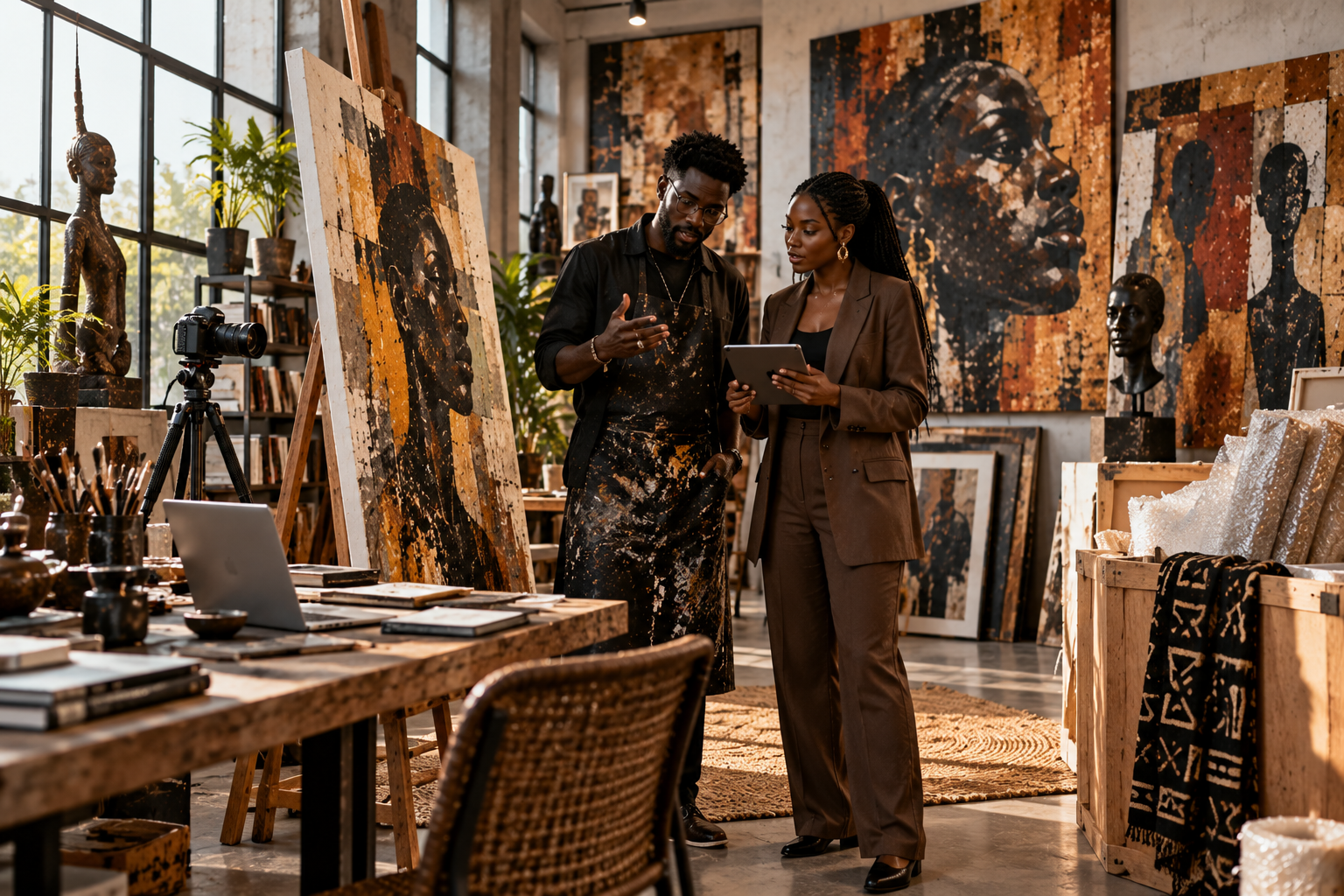
Multiple Revenue Streams for African Artists
The modern African artist is not limited to selling original paintings. Today’s creative entrepreneurs diversify their income through:
Limited edition prints
Merchandise (tote bags, apparel, home décor)
Brand collaborations
Corporate commissions
Interior art installations
Workshop facilitation
Online art classes
Digital downloads and NFTs
Licensing artwork for commercial use
By expanding revenue streams, artists reduce financial instability and create long-term sustainability.
The Role of Galleries and Art Fairs
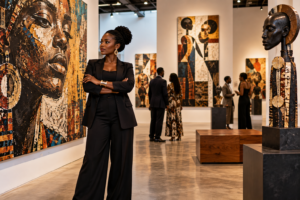
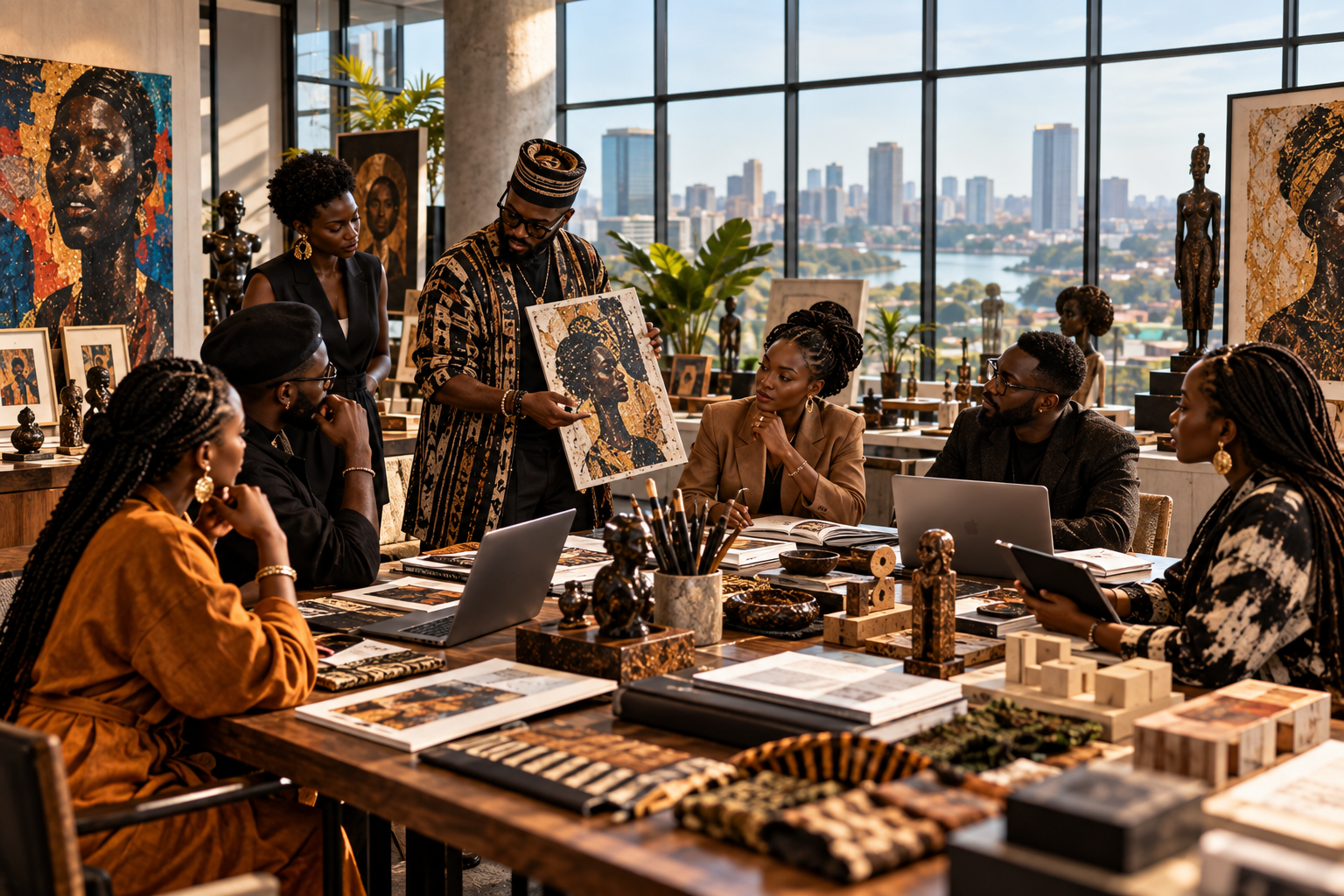
While digital platforms are powerful, physical spaces remain important. Art galleries, exhibitions, and fairs provide networking opportunities and validation within the formal art ecosystem. African art fairs and biennales are gaining international recognition, drawing collectors and cultural institutions from around the world. Participating in curated exhibitions increases credibility and expands professional networks.
Strategic partnerships between artists, curators, and media platforms can significantly boost career growth.
Challenges in the African Art Industry
Despite growth, challenges remain. Limited funding, inconsistent infrastructure, and restricted access to international markets can slow progress for many artists. High shipping costs and complex export regulations sometimes limit global sales opportunities.
However, innovation continues to overcome barriers. Creative collectives, shared studio spaces, online marketplaces, and cross-border collaborations are helping artists navigate structural limitations. African creatives are building ecosystems that support one another. Investment and Wealth Creation through Art.
Art is increasingly recognized as an investment asset, Collectors view original African artworks as appreciating assets with cultural and financial value. As global demand grows, early investment in emerging African artists can yield significant returns.
This shift also changes how artists view their work. Pricing strategically, protecting intellectual property, and documenting authenticity become critical components of professional practice.
Financial literacy and legal awareness are becoming essential skills for serious creatives.
Government and Private Sector Opportunities
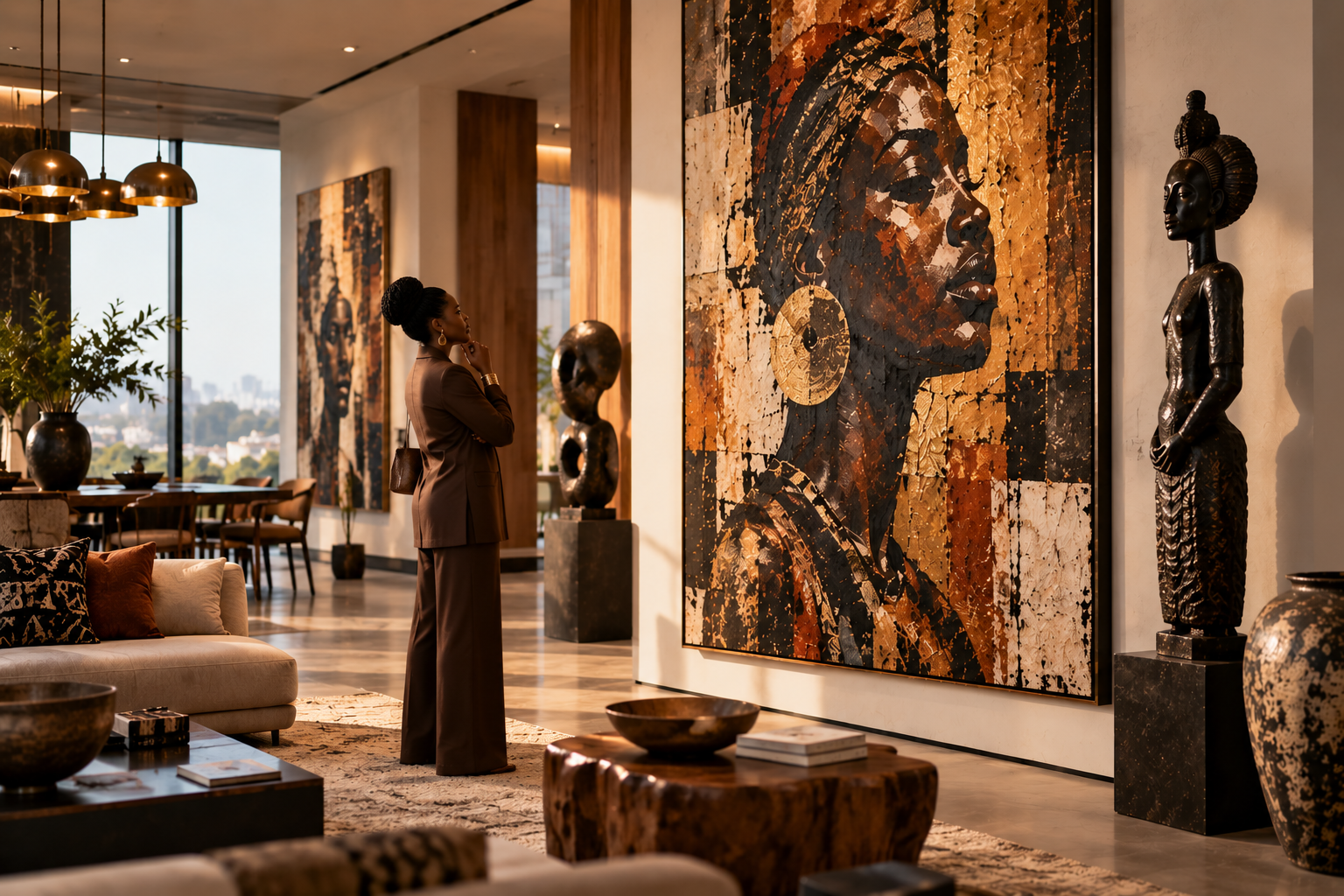
With proper policy support, Africa’s art industry could contribute significantly to GDP growth and youth employment. Investment in creative hubs, grants, innovation labs, and arts education programs would accelerate development. Private sector brands are also partnering with artists for campaigns, packaging design, and experiential marketing. These collaborations create mutual value, brands gain cultural authenticity, while artists gain financial growth and visibility.
The Future of Art as Enterprise
The future of African art lies at the intersection of culture and commerce. Artists who understand global trends, embrace digital tools, and maintain authentic storytelling will continue to thrive.
The narrative has changed: art is not a hobby,it is a legitimate, scalable business.
As more African creatives step confidently into entrepreneurship, the continent’s artistic voice will grow louder in global markets. Wealth creation through art empowers individuals, strengthens communities, and preserves cultural heritage.
Ajoke Brown Media champions African artists who are boldly turning creativity into capital, building legacies that are both culturally rich and economically powerful.
Shop Art here- https://www.ajokebrownmedia.com/art-of-africa/