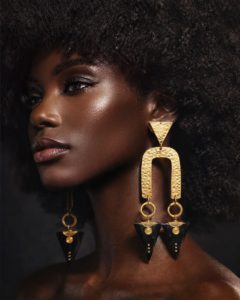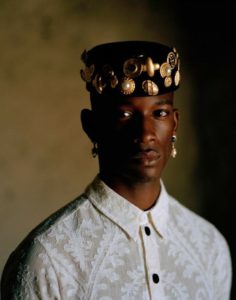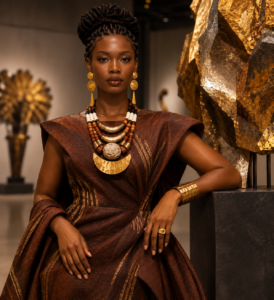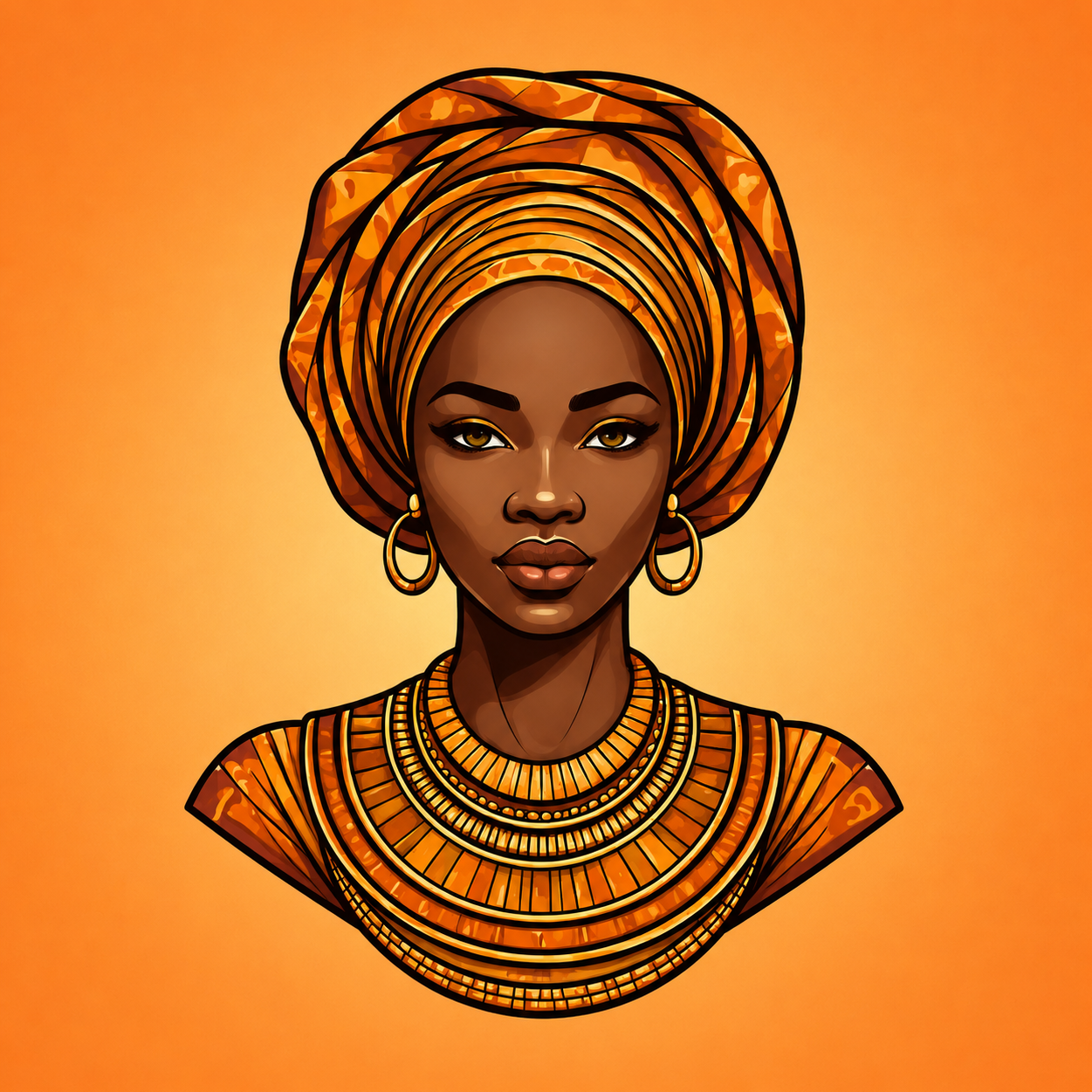
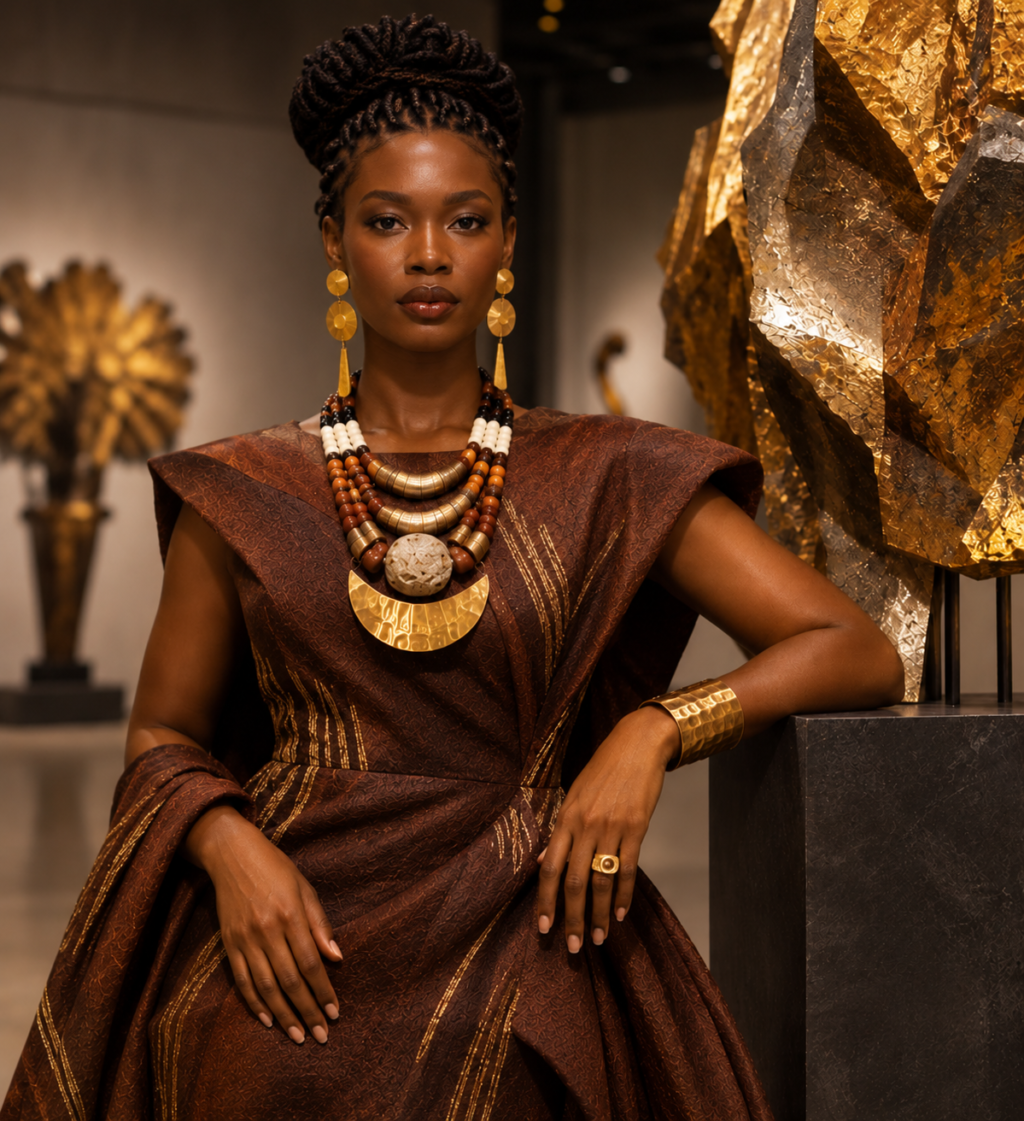
The global luxury market is undergoing a massive cultural shift. Modern consumers are no longer satisfied by high price tags and recognizable logos alone. Today, true luxury is defined by transparency, environmental responsibility, and social impact. As international fashion houses scramble to audit their supply chains, a quiet revolution is happening across the African continent. Ethical African jewelry brands are leading the charge, proving that high fashion and deep sustainability can coexist beautifully.
From the recycled glass workshops of Ghana to the upcycled metal foundries of Kenya, African jewelry designers are redefining what it means to be a luxury brand. They are showing the world that heritage craftsmanship is the original form of sustainable fashion. At Ajoke Brown Media, we champion creators who use style as a force for good. This article explores the rise of sustainable luxury in African jewelry, the eco-friendly practices driving the movement, and why your next investment piece should be ethically made in Africa.
The Intersection of Heritage Craftsmanship and Eco-Fashion
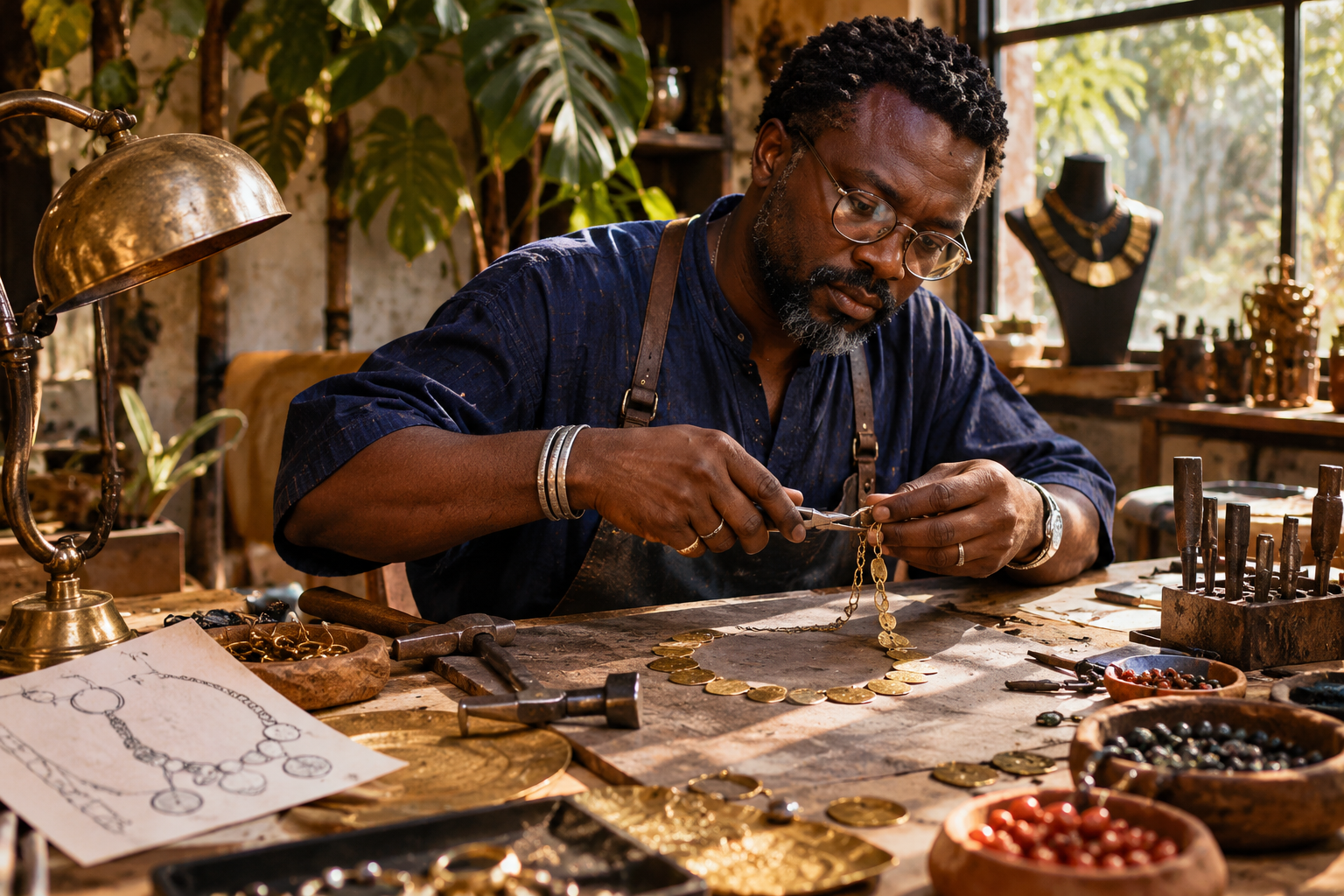
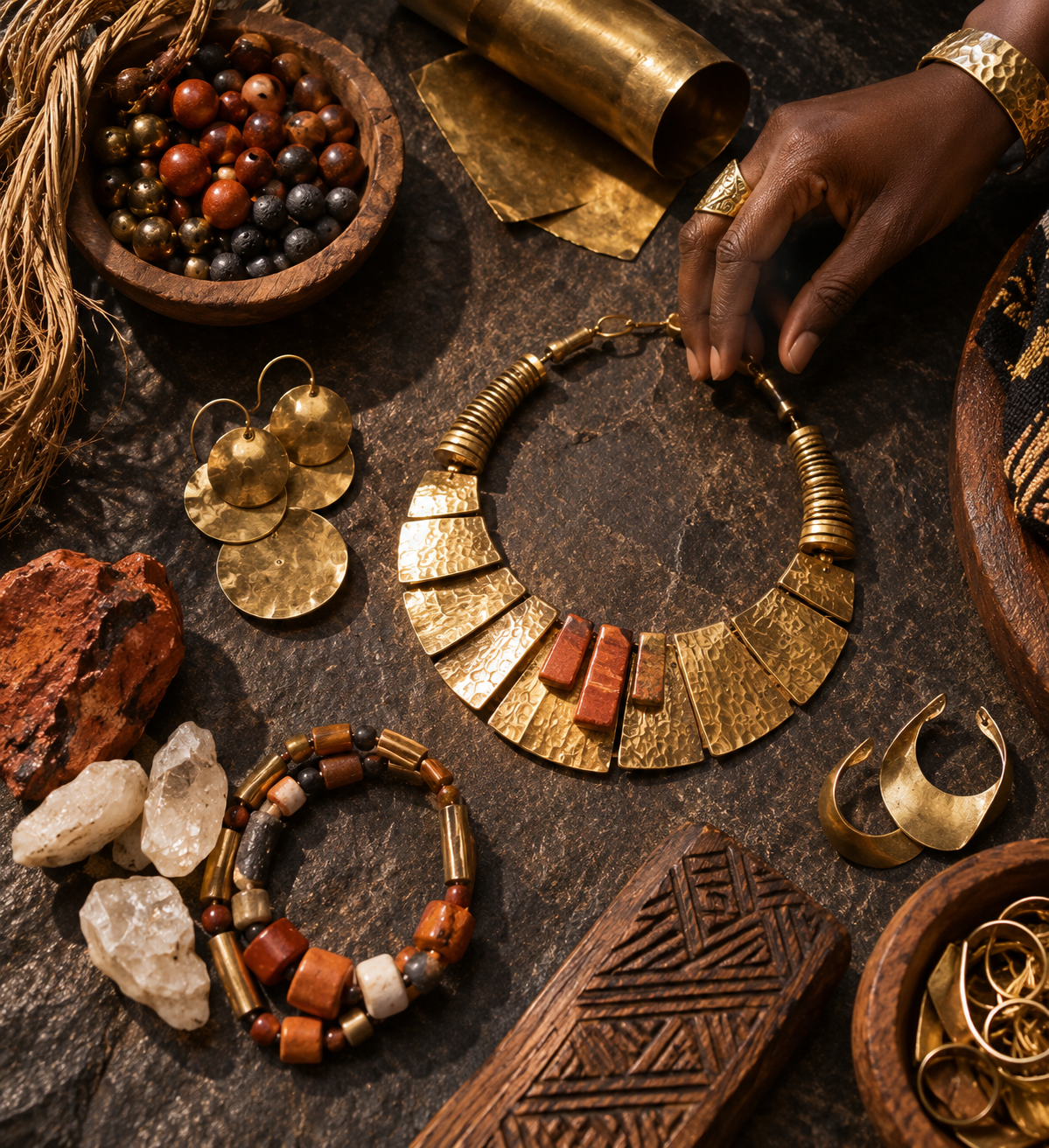
Long before “sustainability” became a corporate buzzword, traditional African jewelry-making was inherently circular. Native artisans have always lived in harmony with their environment, utilizing locally available materials and ensuring that nothing went to waste. Today’s luxury African brands are taking these ancestral, zero-waste philosophies and packaging them for the global luxury market. Instead of relying on destructive industrial mining practices that displace communities and scar landscapes, ethical African designers look to the environment around them. They treat waste as a premium resource. Old glass bottles are collected from community streets and transformed into shimmering, hand-painted Krobo beads. Discarded brass padlocks, old plumbing pipes, and scrap metals are saved from landfills, melted down, and hand-hammered into sleek, minimalist chokers and cuffs. By prioritizing upcycled and locally sourced materials, these brands radically lower their carbon footprint while producing pieces that carry an unmistakable weight, texture, and soul.
Pillars of Ethical African Luxury Brands
When you purchase a piece from a verified ethical African jewelry brand, your investment goes far beyond aesthetics. True sustainable luxury on the continent stands firmly on three core pillars-
Fair-Trade Artisan Compensation
In many rural African communities, jewelry-making is a generational trade passed down from parent to child. Ethical luxury brands work directly with these independent artisan collectives, completely bypassing exploitative middlemen. They guarantee fair-trade wages, safe working conditions, and consistent income. This direct economic partnership empowers local creators, preserves ancient art forms, and allows artisans to invest in the education, healthcare, and infrastructure of their own communities.
Radical Supply Chain Transparency
Mass-produced fast fashion thrives on secrecy, often hiding unethical labor and environmental degradation behind slick marketing. In contrast, sustainable African brands pride themselves on radical transparency. They can tell you exactly who made your jewelry, where the raw materials were sourced, and how many hours of manual labor went into crafting it. Every necklace, ring, and earring comes with a human story, making the consumer a conscious participant in the artisan’s journey.
Preservation of Cultural Legacies
When an ancient craft form is commercialized by mass production, its cultural meaning is often stripped away, ethical African brands act as cultural custodians. They respect the sacred symbols, regional bead patterns, and metalworking techniques of their ancestors, by integrating these historic narratives into modern, high-fashion silhouettes, they ensure that African history is not just preserved in museums, but celebrated as living, breathing wearable art on the global stage.
How to Build an Ethical Jewelry Wardrobe
Transitioning to a sustainable jewelry collection doesn’t mean sacrificing your personal style. It simply means choosing quality over quantity. Here is how you can practice conscious luxury-
Look for the Narrative- Before buying a piece, read the brand’s “About” page or product descriptions. Look for explicit mentions of fair wages, upcycled materials, and artisan partnerships.
Invest in Solid Materials- Move away from cheap, plastic-based accessories and plated alloys that tarnish within weeks. Opt for solid, upcycled brass, ethically sourced bone, or kiln-fired glass that can be easily cleaned and passed down as heirlooms.
Support Direct-to-Consumer Brands-Buy directly from verified African designers or trusted global platforms that have verified partnerships with African artisan networks.
Wear Your Values
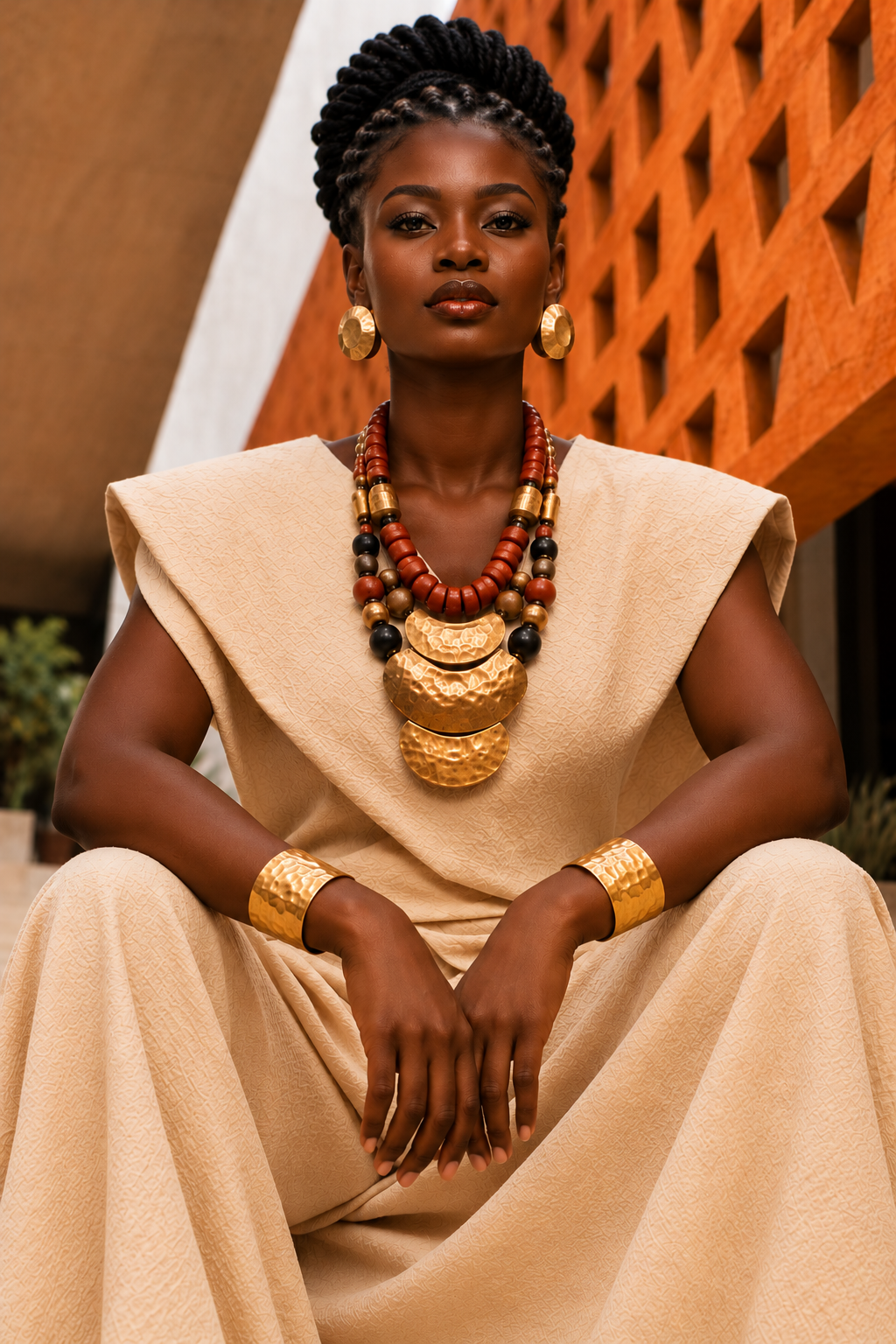
Your jewelry should be an extension of your morals as much as your aesthetic. Choosing ethical African luxury brands allows you to step out into the world looking undeniably chic, while knowing that your fashion choices are supporting environmental renewal and economic justice.
Are you ready to elevate your collection with pieces that make a real difference? Stay tuned to the Ajoke Brown Media Signature Style Network as we continue to profile and partner with the trailblazing ethical African brands reshaping the global luxury landscape.
Shop Here-https://www.ajokebrownmedia.com/shop/