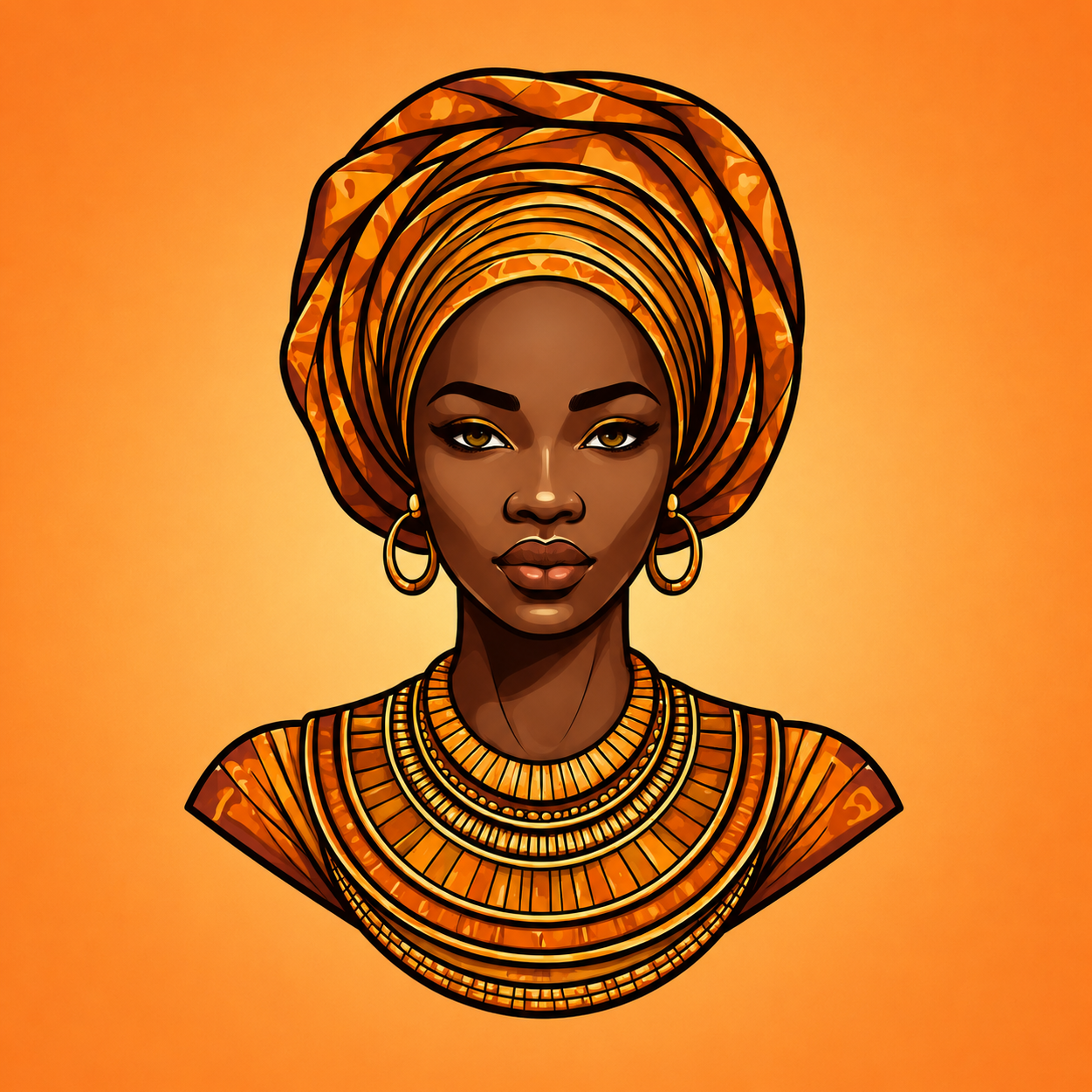
Redefining the Narrative: Fuseini Sule on Capturing Identity and Texture in Ghanaian Art
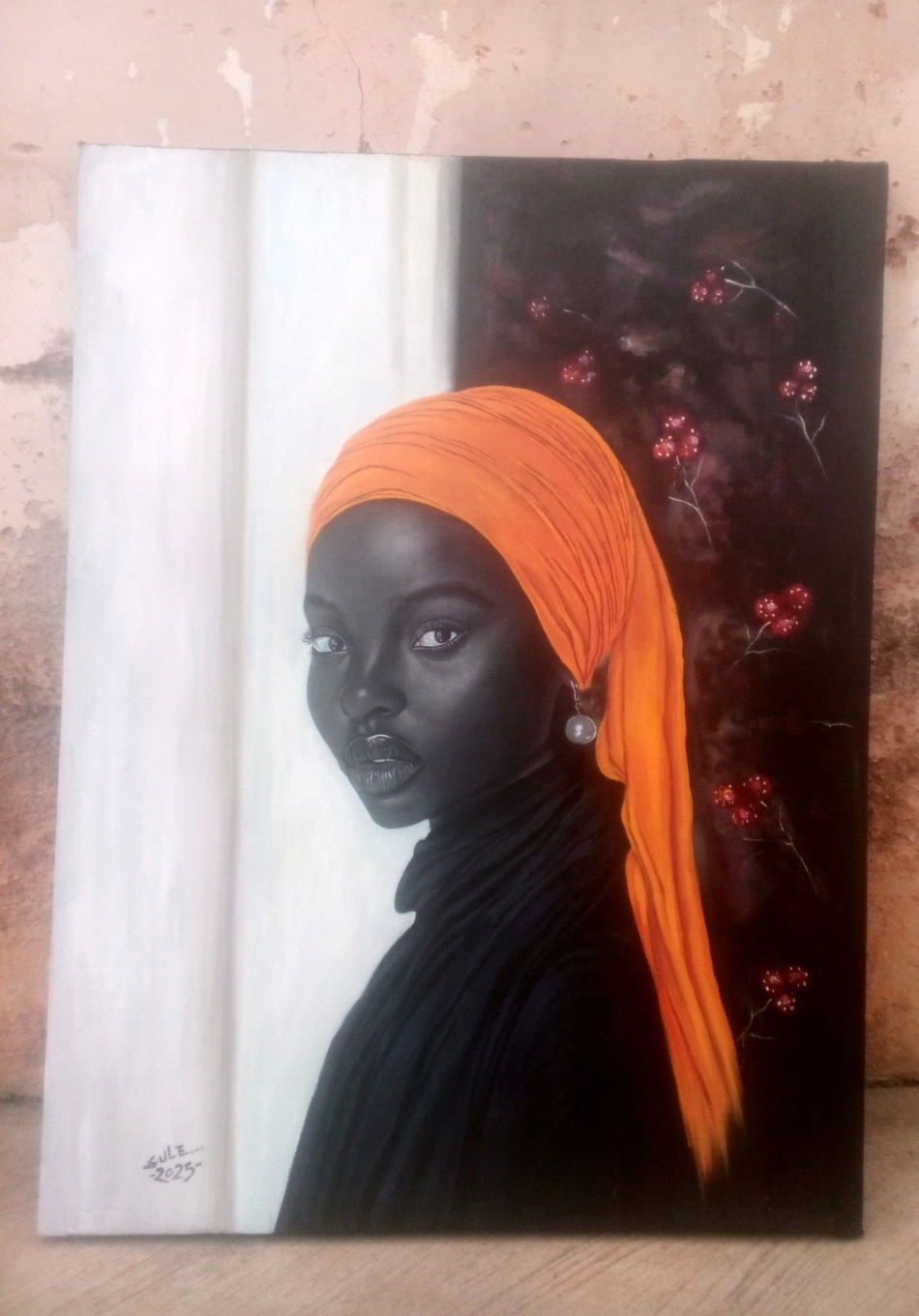
Across Africa, a new generation of artists are redefining how the continent tells its stories. They are not only creating beautiful work, they are preserving memory, challenging narratives, and expanding how African identity is expressed to the world.
Among them is Ghanaian artist Fuseini Sule, whose journey into art began at just fifteen in Kumasi, within Ghana’s Ashanti region. What started as a young boy’s curiosity has evolved into a creative path shaped by faith, resilience, and a deep commitment to cultural authenticity.
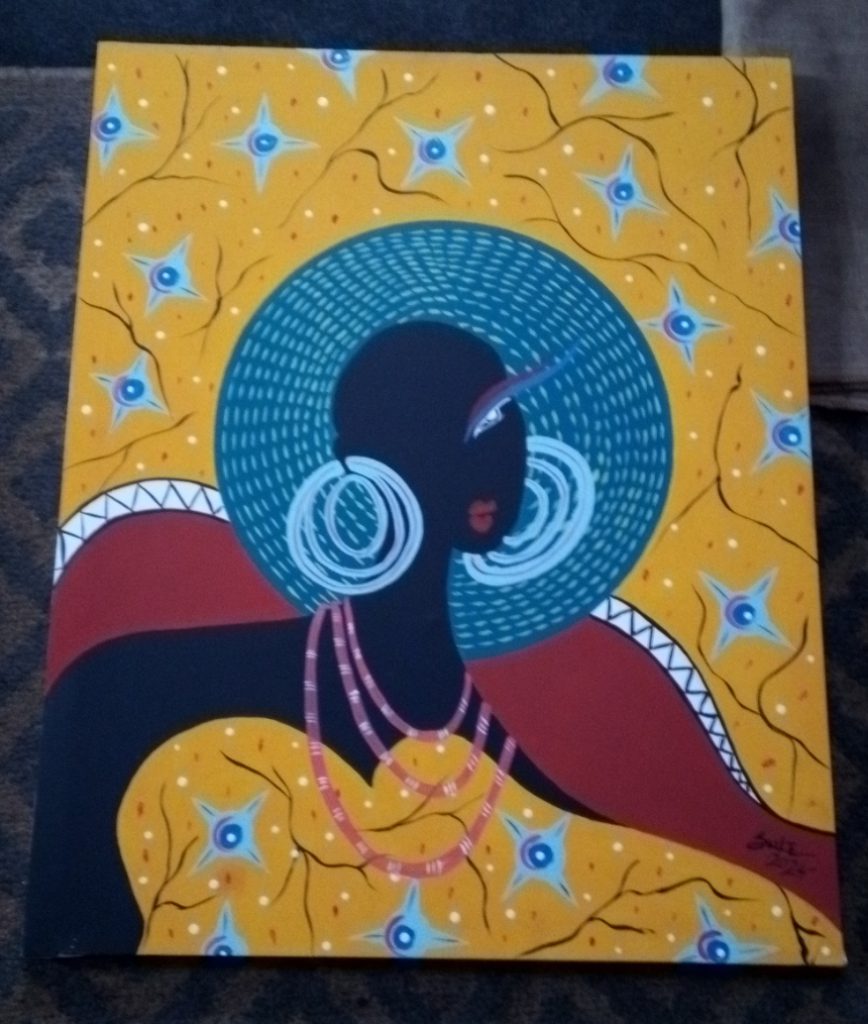
Now based in Kasoa, Accra, Fuseini’s work sits at the intersection of emotion, spirituality, and African identity. His art does not simply aim to decorate walls, it invites reflection. Each piece carries a quiet intensity, exploring themes of vulnerability, strength, and the layered experiences that shape African lives.
In a time when African art is receiving unprecedented global attention, artists like Fuseini are helping define what that visibility truly means. Beyond galleries and collectors, their work becomes part of a larger cultural dialogue, one that asks how African stories are told, who tells them, and what legacy they leave behind.
In this conversation with Ajoke Brown Media, Fuseini Sule reflects on the journey that shaped him, the responsibility artists carry today, and the deeper emotional and spiritual forces that guide his creative process.
You began your artistic journey at just 15 in Kumasi. What was the defining moment when you realized art wasn’t just a hobby but your calling?
When I saw how people connected emotionally to my drawings at a young age, I realized art was more than talent. It was a purpose.
Growing up in Ghana’s Ashanti region, how did culture, tradition, and spirituality shape your creative voice?
Growing up in the Ashanti region surrounded by culture, symbols, traditions and spirituality deeply influenced my colours, themes and storytelling.
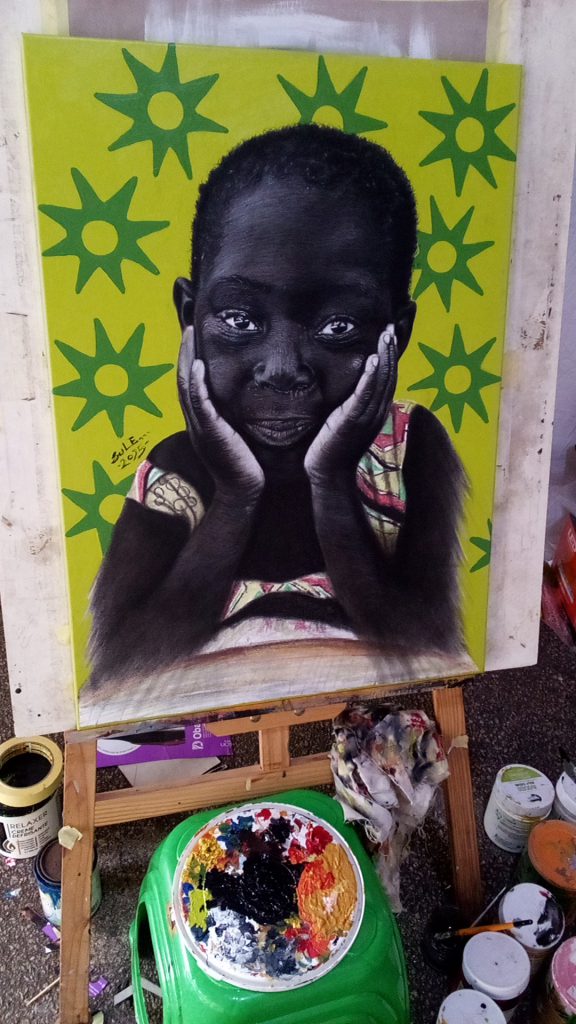
You speak about faith as your anchor. How does your relationship with God influence your process when you stand before a blank canvas?
Faith is my foundation, before I start any painting, I pray. I believe God guides my hands and gives meaning to my work.
Your work carries emotional weight. Do you see yourself as documenting personal feelings or preserving collective African memory?
Both my art reflects my personal emotions, but it also carries the stories and identity of Africa
How has relocating to Kasoa, Accra impacted your artistry, creatively, spiritually, or professionally?
Moving closer to Accra exposed me to new opportunities, networks, and perspectives. It helps me grow professionally and creatively.
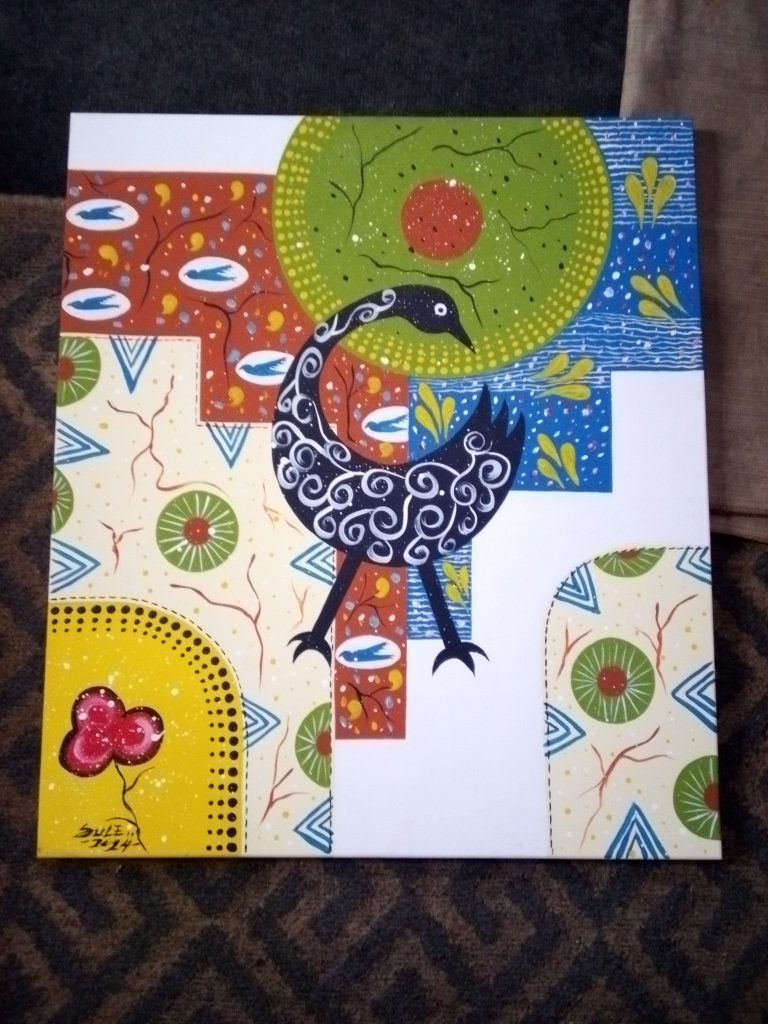
In a time when African art is globally celebrated yet sometimes commodified, how do you ensure your work remains rooted rather than diluted how do you protect your originality?
I stay true to my roots and my story. I don’t create to follow trends, I create from my identity and experiences.
What does African identity mean to you, and how do you intentionally embed it into your art?
African identity means pride, resilience, spiritual, culture and strength. I embed it through symbols, expressions and storytelling in my portraits.
What responsibility do you believe African artists carry in shaping how the continent is seen by the world?
We have the responsibility to tell our own stories authentically and reshape how Africa is seen globally.
For young African creatives watching your journey from Kumasi to where you are today, what truth about resilience and faith do you want them to hold onto?
Stay patient, trust God and don’t give up. Growth takes time but consistency and faith will open doors.
Do you believe art can heal generational trauma within African communities? If so, how?
Yes art allows people to express pain, remember history and find healing through shared stories.
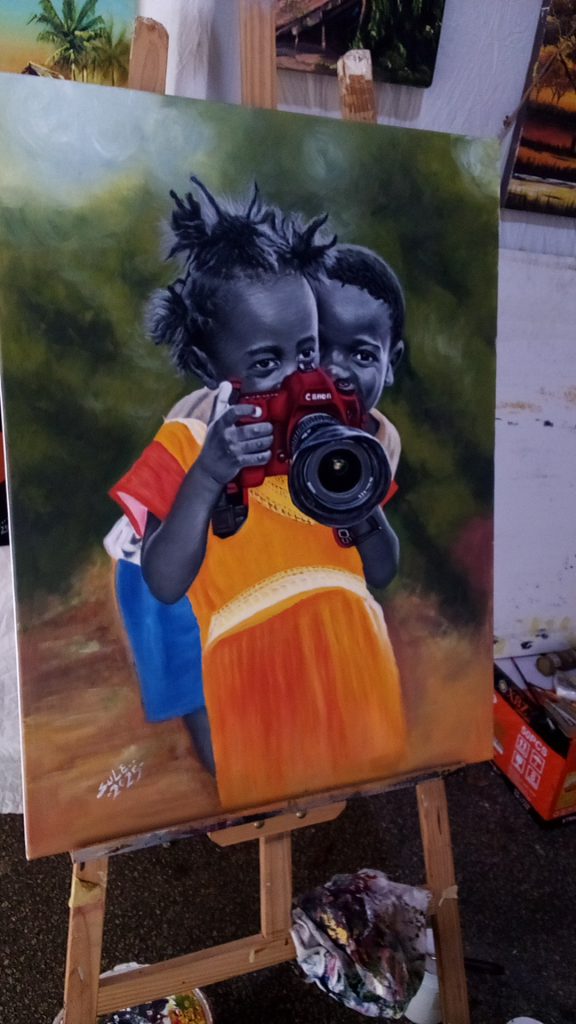
Many artists struggle between creating for survival and creating for truth. Have you ever had to choose between the two?
Yes but I always try to balance both. Survival is necessary but truth is what gives my work lasting value.
If you could create one masterpiece that defines your legacy, what would it represent?
It would represent faith, African identity, Resilience and the Spiritual strength of our people.