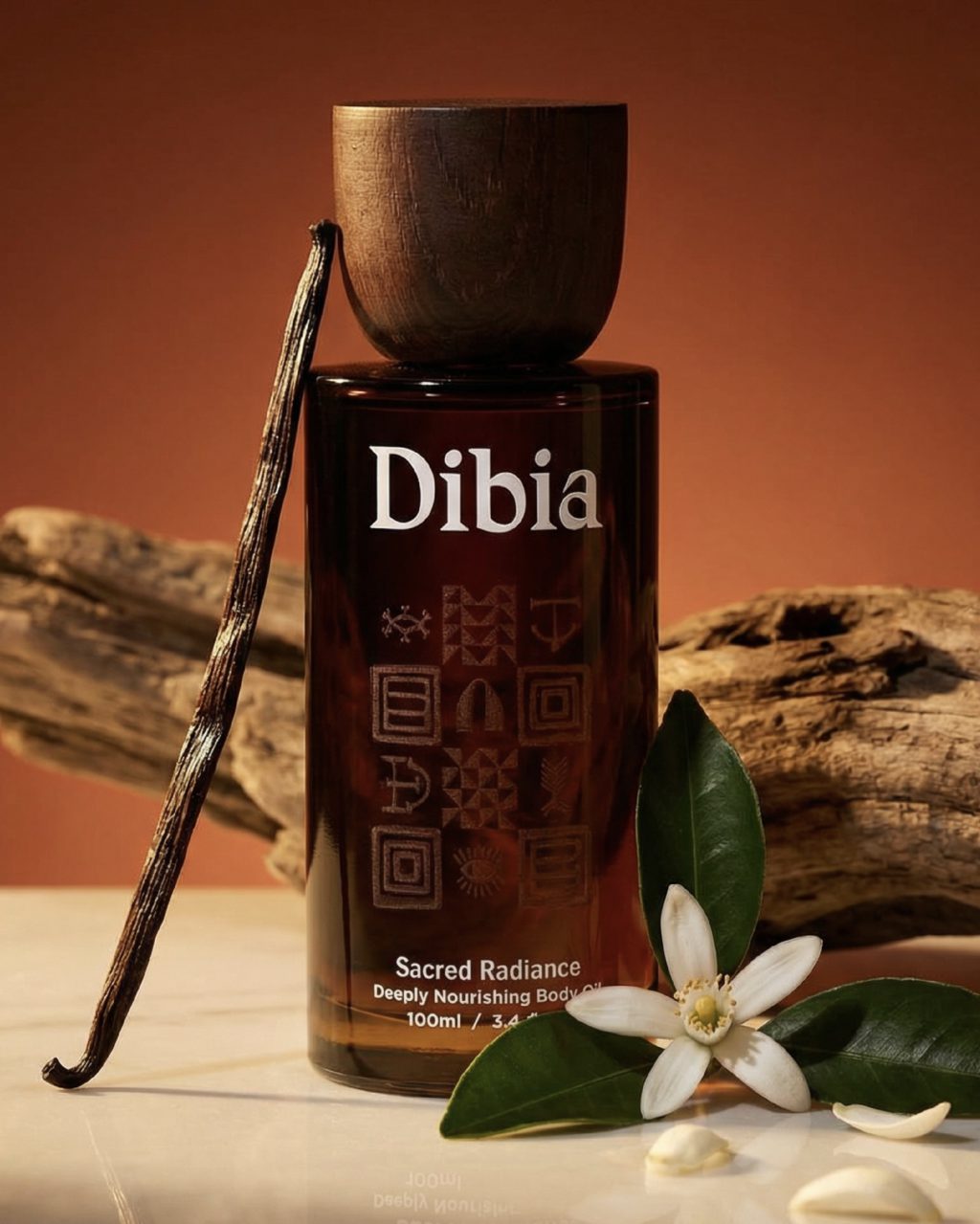
Rooted in culture, intention, and the richness of African skincare traditions, Dibia is a Nigerian skincare brand redefining beauty through a deeply thoughtful and holistic approach. Inspired by heritage, healing, and the power of natural ingredients, the brand creates products that speak not only to skincare needs, but also to identity, self-care, and connection.
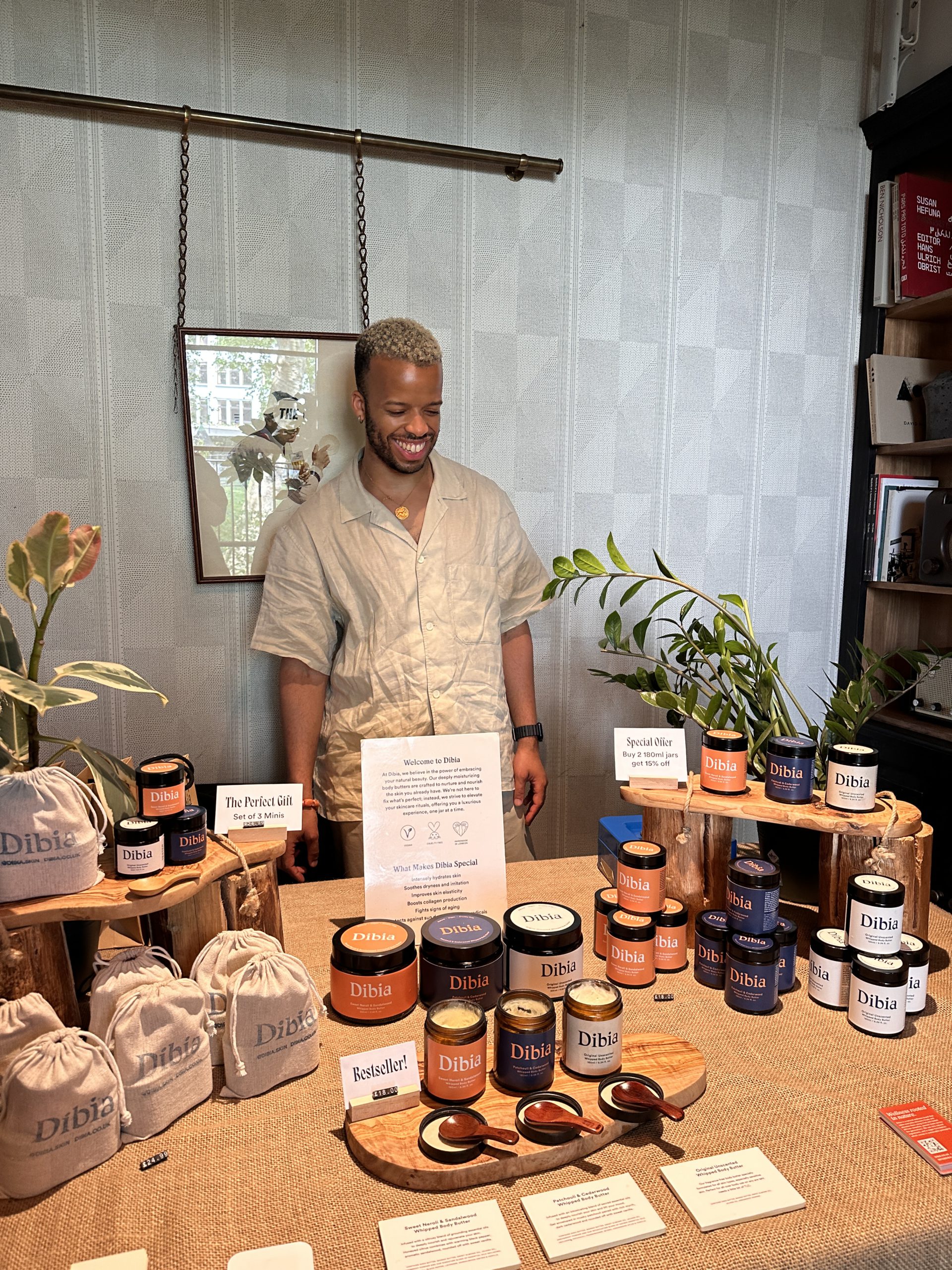
In this edition of Ajoke Brown Media’s African Skincare Spotlight, we speak with the team behind Dibia about the inspiration behind the brand, the influence of African beauty traditions, the importance of locally rooted ingredients, and their vision for the future of African skincare on a global stage.
What inspired the creation of Dibia, and how does the name connect to African heritage or healing traditions?
In a world that tells us to move fast, optimise, and burn ourselves out in the name of self-improvement, Dibia moves against that. I started the brand because I believed there was a different approach to bodycare. Slower, more intentional, rooted in rituals that sustained my ancestors for centuries. When I discovered the word Dibia in my research, it felt like fate. A Dibia is a master of knowledge, someone who understands every plant, every remedy, and how they can be used to make the body whole again. That is exactly what this brand is trying to do.
How does African culture, environment, or traditional knowledge influence your approach to skincare?
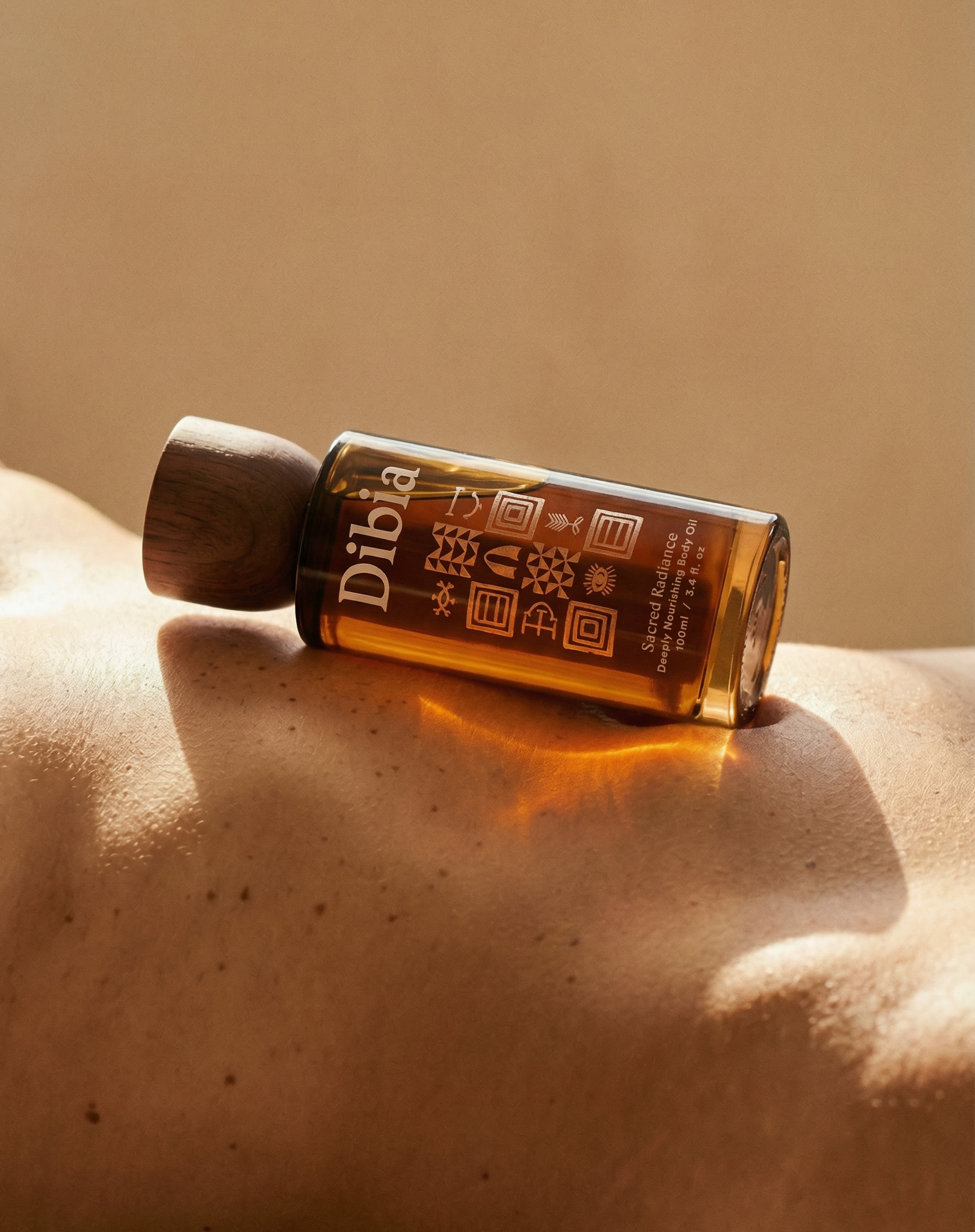
I was born and raised in Lagos, so the culture has always been part of me, though I didn’t fully appreciate it until I was older. When I discovered the Dibia and their role in the community, it cracked my world open. The reverence they have for the natural environment mirrors how I approach creating bodycare. It informs everything, from the ingredients I choose to the symbolism embedded in our packaging. It’s my way of honouring what came before.
In your view, what does “African skincare” truly mean beyond ingredients?
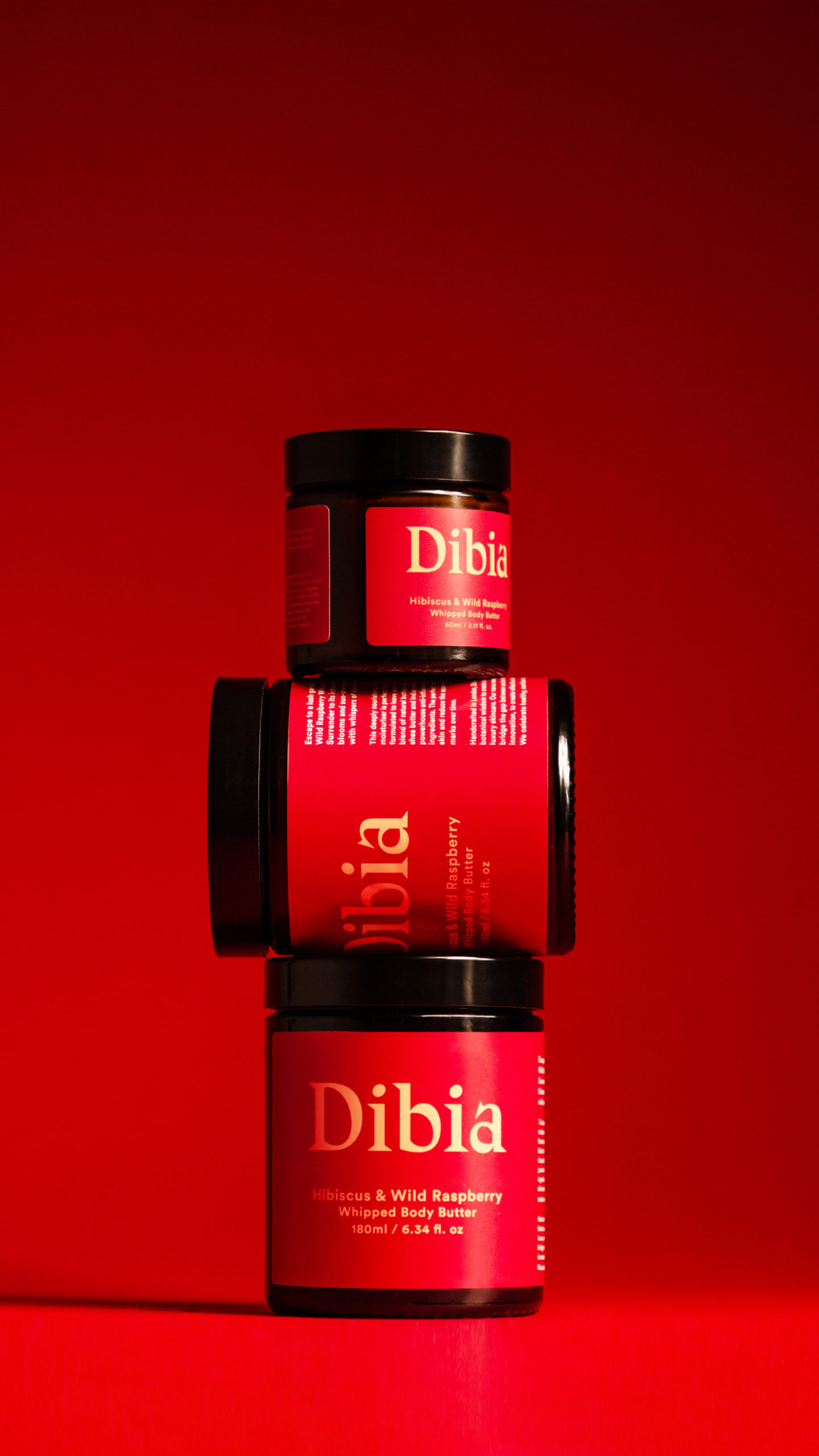
It means a philosophy. A relationship with the body that is communal, ritual-led, and deeply connected to the natural world. African skincare, at its root, was never transactional. It was passed down, shared, embedded in daily life. For me, that inheritance shapes not just what goes into the products but how I want people to experience them. Slowly, deliberately, as something worth making time for.
What skin needs or concerns are most common among your customers, and how do you address them?
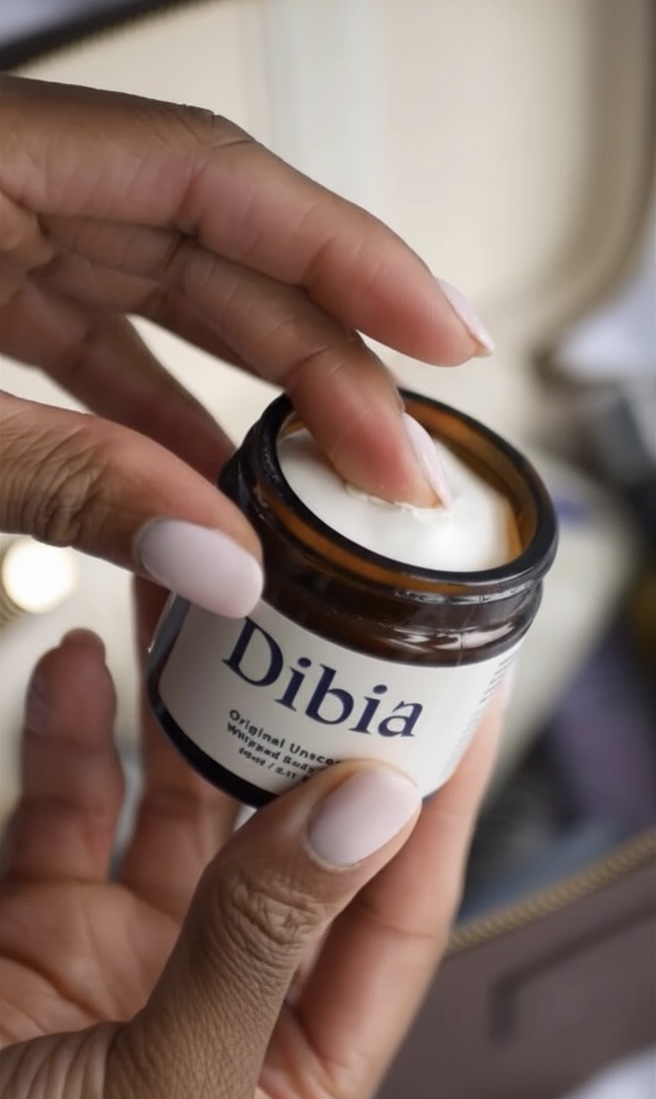
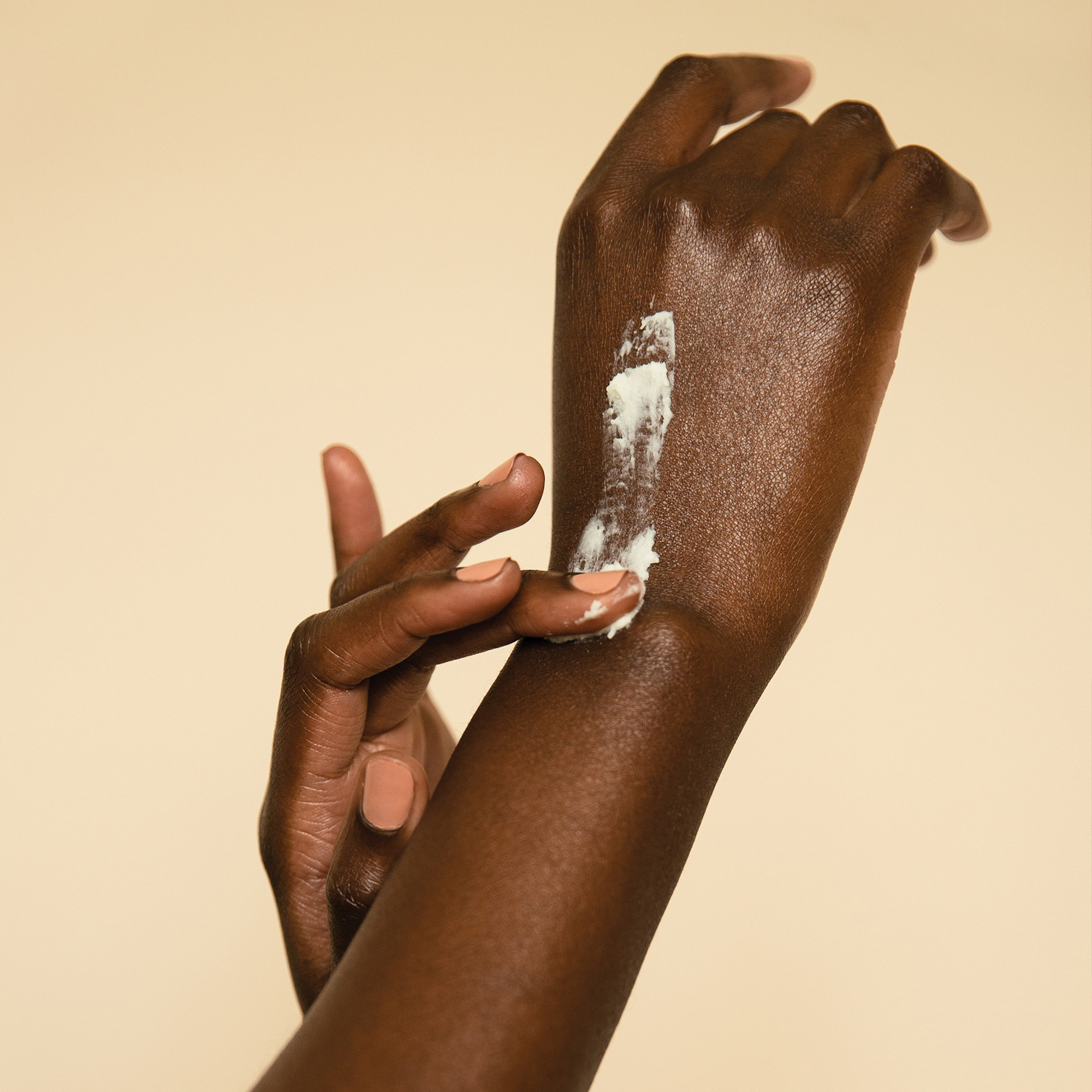
Dry and eczema-prone skin come up time and again. Reading reviews from customers whose skin has genuinely changed is one of the most humbling parts of doing this. I worked hard to create formulations that don’t just sit on the surface but penetrate deeply, because lasting hydration has to work at that level.
Which African or locally sourced ingredients are central to your formulations, and why are they important to you?
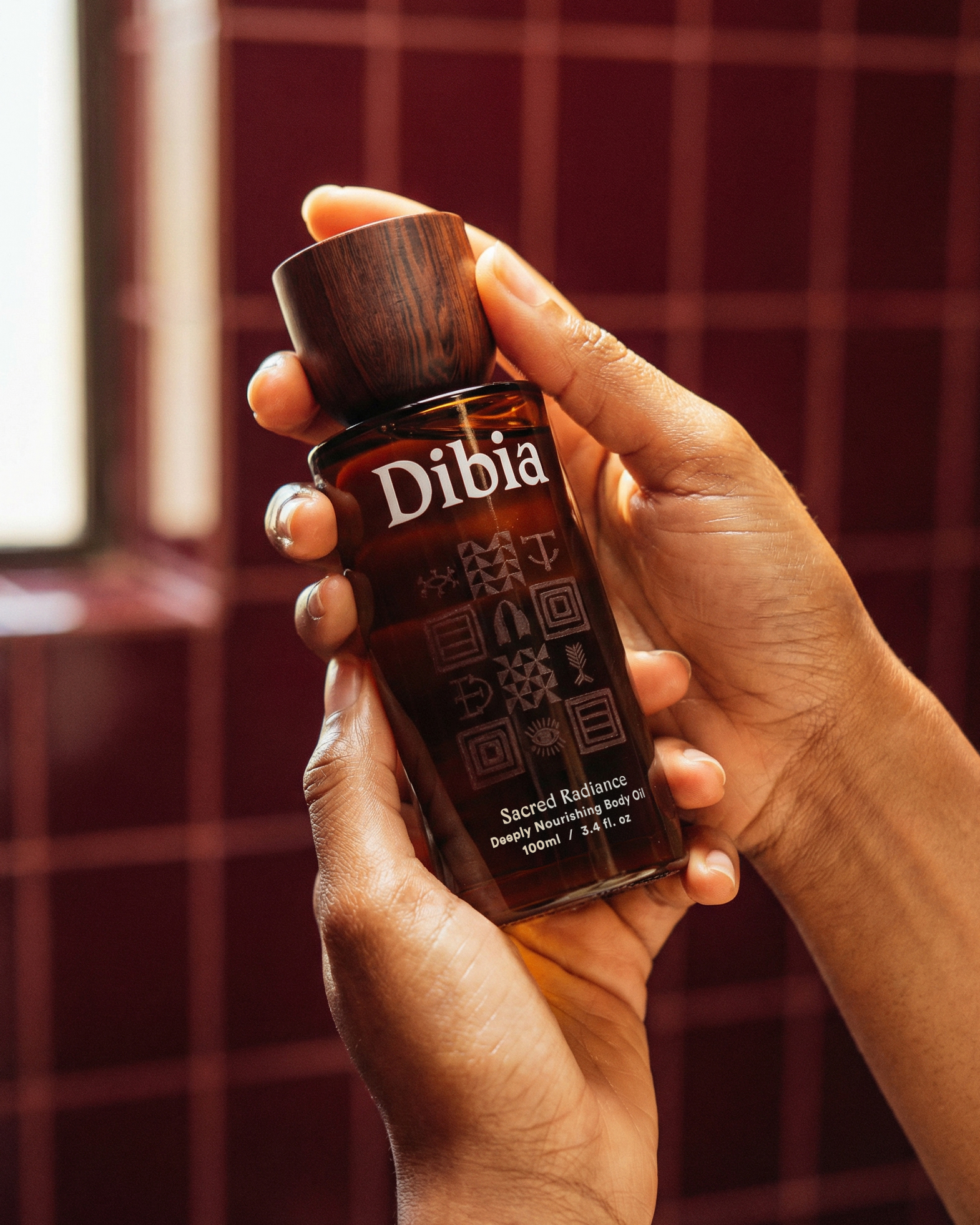
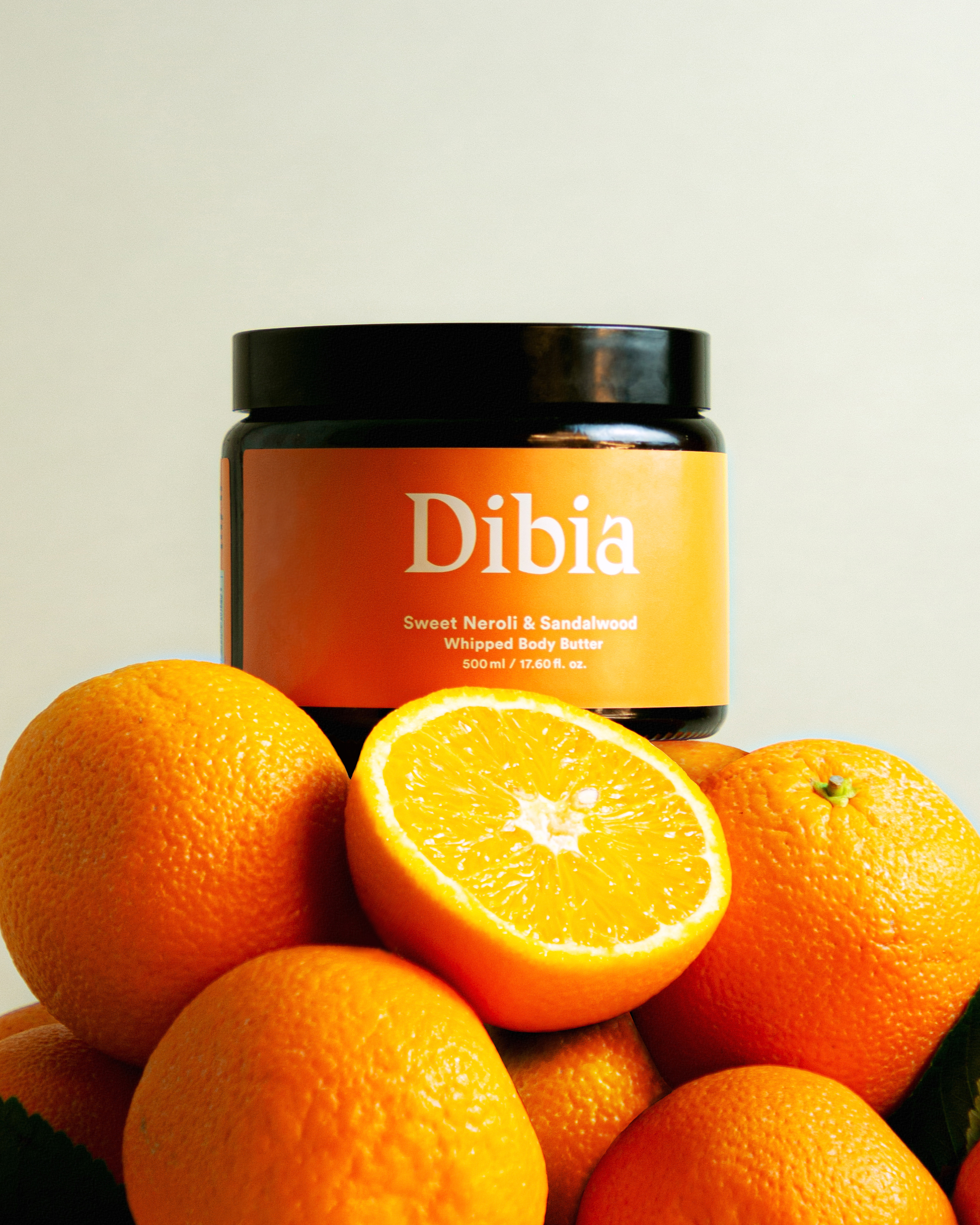
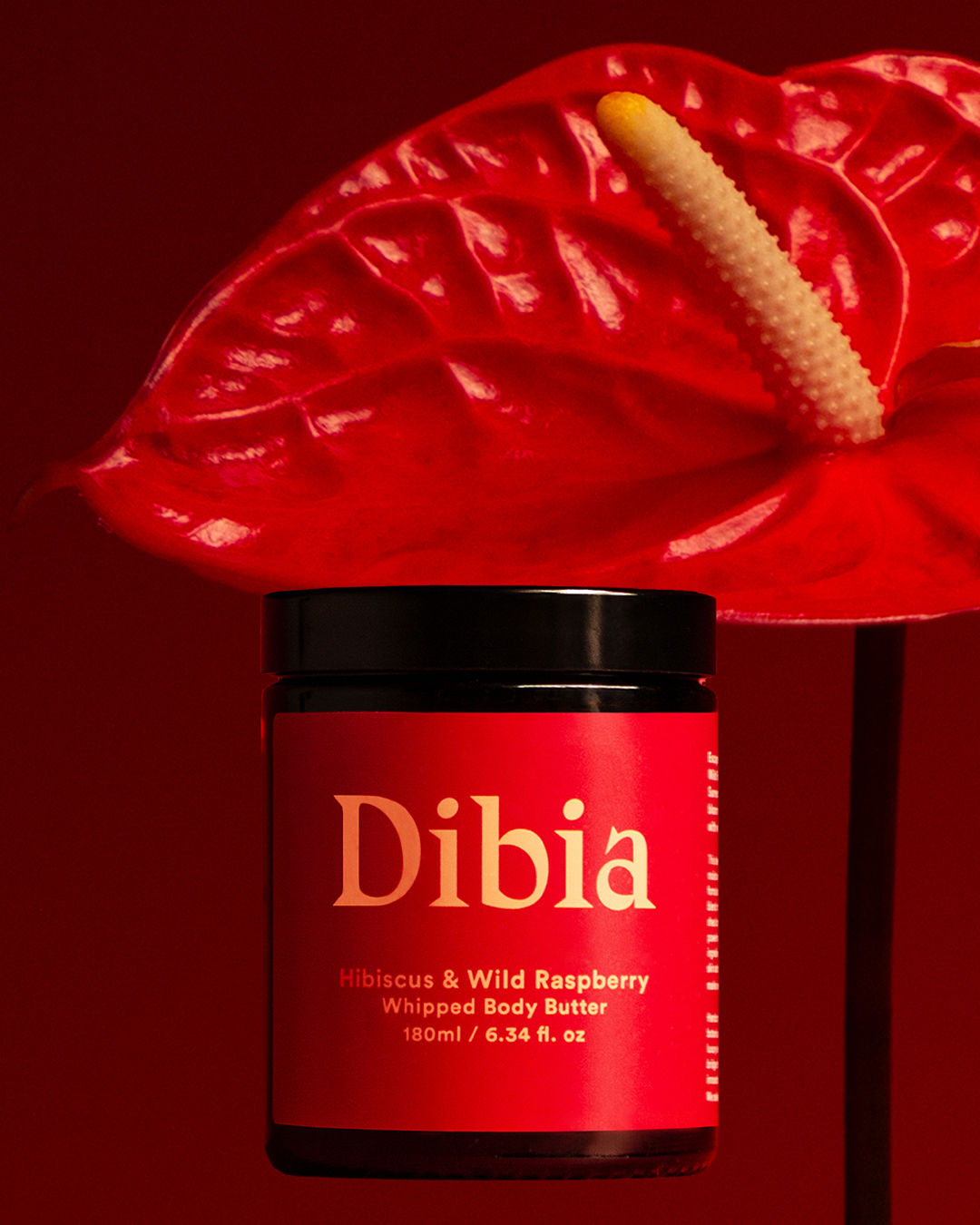
Shea butter is the heart of the body butter, sourced from women’s cooperatives in Ghana. For the body oil, I work with a trinity of African botanical oils: baobab, marula, and manketti, all sourced from South Africa. Being able to trace where these ingredients are grown and processed is fundamental to what Dibia stands for.
How do you balance traditional knowledge with modern skincare science in your products?
Traditional knowledge gave me the foundation, science gave me the confidence to stand behind it. Shea, baobab, marula have been used for centuries because they work. What modern formulation science allowed me to do was understand exactly why, and build around that. For me it’s not a tension between old and new. It’s a conversation between them.
What misconceptions about African skincare or ingredients do you hope to change?
The biggest is that African skincare is only for Black people or specific skin types. That thinking is a hangover from how African products have historically been positioned. The ingredients I use have no cultural prerequisites. They work because of their chemistry, their nutrient density, their relationship with skin at a cellular level.
Beyond that, I want to push back on the idea that African skincare can’t be sophisticated or rigorously made. That because something is rooted in tradition it must be rustic or unrefined. Dibia exists to challenge that directly. There’s also a tendency to treat the African continent as one place with one set of plants and one culture. Manketti from Southern Africa and shea from West Africa are completely different ingredients with different properties and different communities behind them. That specificity matters enormously.
What has been your most powerful learning experience while building Dibia?
Learning to trust the pace of it. Building Dibia alongside a full-time career means there have been seasons where I couldn’t move as fast as I wanted to, and early on I read that as failure. Over time I’ve come to see it differently. Every time I’ve rushed, I’ve had to walk it back. Every decision made from clarity rather than pressure has produced something I’m proud of. Dibia’s whole philosophy is about slowing down. I’ve had to learn to apply that to how I build it too.
How do you see African skincare evolving on a global stage?
We’re at the beginning of something significant. For too long, African ingredients appeared in global products without any acknowledgment of their origin or the communities behind them. Consumers are now asking harder questions about provenance, and that creates real space for brands that have always had it at their core. I also think the conversation will move beyond ingredients into philosophy. The African approach to body care has always been holistic and ritual-led, and as the world becomes more interested in slowness and intentionality, that worldview has a great deal to offer.
What’s next for Dibia?
Growth, but on our own terms. More countries, more people discovering these products. Alongside that, I want to deepen the community, through retreats, wellness collaborations, and in-person experiences that feel true to the brand. The product range will expand, but with real intention. Every new product has to earn its place. And longer term, I want to build even more direct relationships with the farming communities behind our ingredients. That’s the north star.