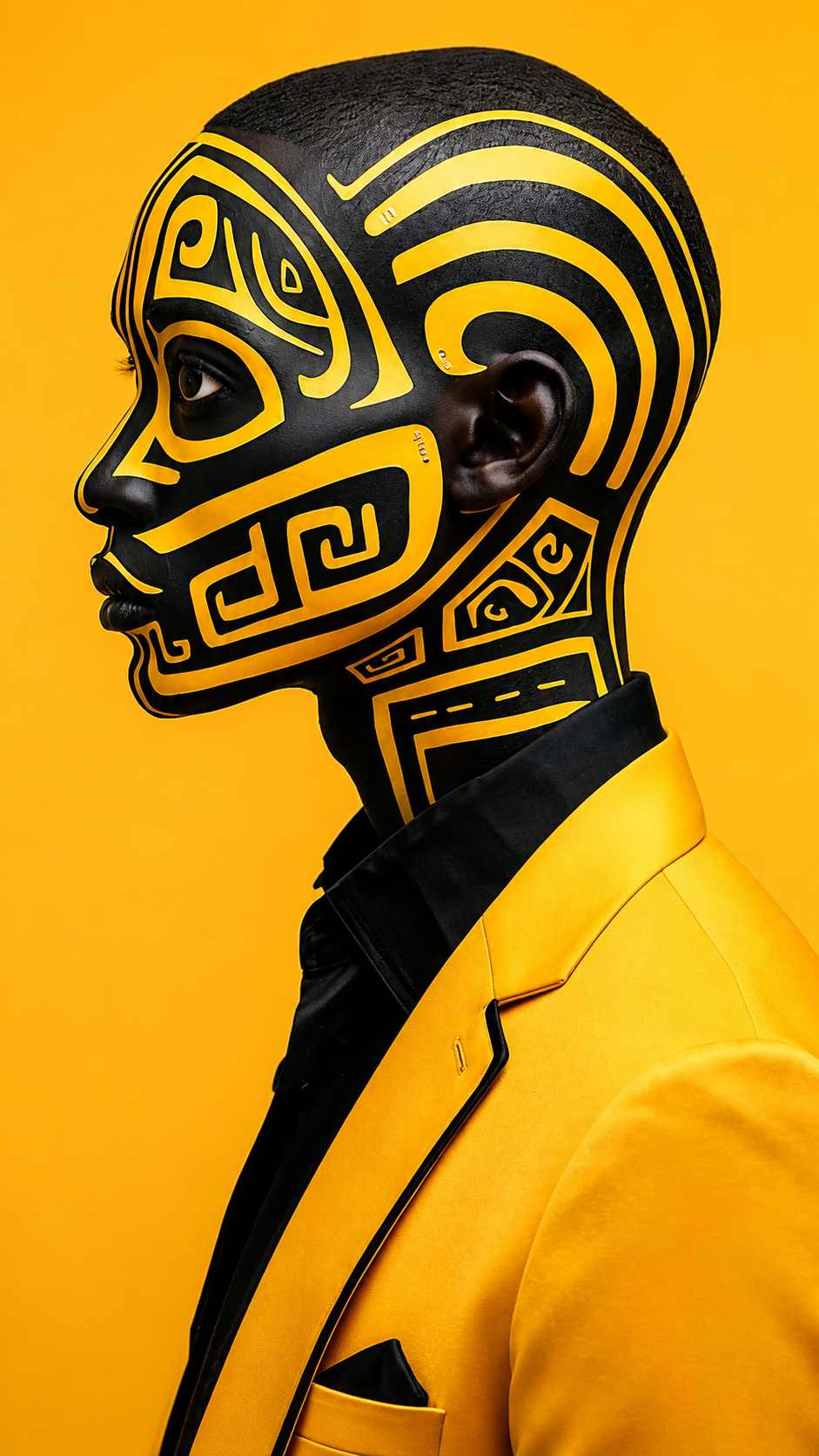
The digital revolution is reshaping Africa’s creative landscape, and digital art is at the forefront of this transformation. Across Lagos, Nairobi, Accra, Johannesburg, and beyond, a new generation of African artists is using technology to redefine artistic expression, build global audiences, and create sustainable income streams. Digital art in Africa is no longer experimental, it is becoming a powerful economic and cultural force.
The Rise of Digital Creativity in Africa
With increased internet access, smartphone usage, and affordable design software, young African creatives now have tools that were once inaccessible. Graphic tablets, animation apps, AI-assisted design platforms, and 3D modeling software are enabling artists to produce world-class visuals from their bedrooms, studios, and shared creative hubs.
Digital illustration, animation, motion graphics, virtual reality art, and Afro-futuristic design are rapidly growing sectors. African artists are merging traditional cultural elements, tribal patterns, folklore, ancestral symbols with futuristic aesthetics and modern storytelling techniques.
This fusion is giving African digital art a distinctive global appeal.
Social Media: The New Gallery Space
In the past, artists depended heavily on physical galleries and institutional gatekeepers. Today, platforms like Instagram, TikTok, X, Facebook, Behance, and Pinterest function as digital galleries where African artists can showcase their work to global audiences instantly.
A well-curated social media presence allows artists to:
Build a personal brand
Attract international collectors
Secure collaborations with global brands
Sell prints and merchandise
Launch online courses or tutorials
Consistency, storytelling, and visual identity are now just as important as artistic skill. The digital era rewards both creativity and strategic positioning.
NFTs and the African Digital Art Economy
The emergence of NFTs (non-fungible tokens) introduced new possibilities for digital ownership and monetization. While the NFT market has experienced fluctuations, it opened conversations about intellectual property, digital scarcity, and artist empowerment.
African digital artists who understand blockchain technology and digital marketplaces can sell work directly to international buyers without intermediaries. This reduces barriers and increases profit margins. More importantly, NFTs sparked a mindset shift: digital art is valuable. It is collectible. It deserves investment. Afro-Futurism and Digital Innovation
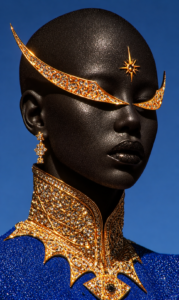
Afro-futurism is one of the most powerful movements within African digital art. By blending African heritage with science fiction, technology, and speculative imagination, artists are envisioning futures where African societies thrive technologically and culturally.
These visuals often depict:
Futuristic African cities
Advanced fashion inspired by traditional textiles
Spiritual symbolism merged with cosmic landscapes
Powerful Black protagonists in advanced worlds
Afro-futurism challenges outdated narratives and positions Africa not as a continent of the past, but as a continent of the future.
Economic Opportunities for Young African Artists
Digital art offers multiple revenue streams beyond traditional painting sales. African creatives can monetize their skills through:
Freelance graphic design
Brand identity development
Animation for advertising and entertainment
Social media content design
Digital commissions
Online art classes and mentorship
Merchandise and print-on-demand platforms
Creative entrepreneurship is becoming essential. Artists who combine artistic excellence with business strategy are building sustainable careers in the digital economy.
Governments and private organizations are also beginning to recognize the economic potential of the creative sector. Investment in creative tech hubs, innovation labs, and digital training programs could significantly boost Africa’s art economy in the coming years.
Challenges Facing Digital Artists in Africa
Despite growth, digital artists still face challenges such as limited funding, inconsistent electricity supply in some regions, high software costs, and limited access to global networks.
However, resilience and adaptability remain defining strengths of African creatives. Many artists collaborate across borders, share resources, and create community-based learning platforms to overcome structural barriers, Innovation often thrives in constraint.
The Global Impact of African Digital Art
African digital art is influencing global design trends, fashion visuals, music branding, and entertainment industries. International brands are increasingly partnering with African illustrators and animators to bring fresh, culturally rich perspectives to campaigns.
As streaming platforms expand African film and music distribution worldwide, demand for African digital designers and animators continues to rise.
The global creative industry is beginning to recognize that African digital art is not just emerging, it is leading new visual conversations.
The Future Is Bright and Borderless
The future of digital art in Africa lies in education, collaboration, and fearless innovation. As more young creatives gain access to technology and mentorship, the continent will continue to produce world-class digital talent.
African artists are no longer waiting for validation. They are building their own platforms, shaping their own narratives, and designing their own futures.
Digital art is more than pixels on a screen, it is economic empowerment, cultural storytelling, and global influence combined.
Ajoke Brown Media proudly celebrates the digital creators redefining Africa’s artistic future bold, innovative, and unapologetically visionary.
Shop art here
African Women in Art: Celebrating Female Creative Power and Cultural Influence
Across the African continent and throughout the diaspora, women are shaping one of the most powerful artistic movements of our time. From painting and photography to sculpture, textile design, performance art, and digital illustration, African women in art are redefining narratives, reclaiming space, and amplifying stories that were once overlooked.
The rise of African female artists is not just a trend, it is a cultural awakening.
The Historical Role of Women in African Art
Long before contemporary galleries and international exhibitions, African women were creators, preservers, and transmitters of culture. Through weaving, pottery, beadwork, body art, storytelling, and ceremonial design, women played central roles in shaping artistic traditions.
However, colonial systems and patriarchal structures often minimized or excluded women’s contributions from formal art history records. Today, contemporary African women artists are reclaiming that legacy, not quietly, but boldly.
They are asserting authorship over their narratives and reshaping global conversations about African creativity.
Reclaiming Identity Through Visual Storytelling
Representation matters deeply in art. African women artists are creating work that celebrates natural beauty, textured hair, traditional fashion, motherhood, spirituality, leadership, and resilience. Their canvases often center Black femininity in ways that are dignified, powerful, and complex. Through portraiture and mixed media, many artists explore themes such as:
Self-worth and body confidence
Cultural heritage and ancestral pride
Gender roles and societal expectations
Emotional healing and personal freedom
Spiritual symbolism and indigenous knowledge
By centering African women’s experiences, these artists create space for reflection and empowerment. They challenge stereotypes and expand global perceptions of African womanhood.
Art as Resistance and Empowerment
For many African female artists, art is both creative expression and social commentary. Paintings, installations, and photography projects often address issues such as gender inequality, economic empowerment, access to education, and community leadership.
Murals across African cities frequently depict powerful women, market leaders, mothers, activists, entrepreneurs, and cultural icons, reinforcing the idea that women are foundational to societal progress.
This form of visual activism transforms public spaces into platforms of affirmation. The Rise of Contemporary African Female Artists
In recent years, African women have gained increased visibility in global art fairs, auctions, and exhibitions. Collectors and institutions are recognizing the intellectual depth and aesthetic innovation of female African creatives.
Many artists are blending traditional African patterns with contemporary techniques, creating artwork that feels both ancestral and modern. Textile-based installations, experimental photography, and Afro-futurist digital art are expanding the boundaries of what African art can look like.
Social media has also played a transformative role. Female artists can now build personal brands, sell artwork directly to buyers, and connect with global audiences without relying solely on traditional gatekeepers.
Digital visibility has become a tool of independence.
Economic Impact and Creative Entrepreneurship
Beyond cultural influence, African women in art are contributing significantly to the creative economy. Many are launching studios, mentoring younger creatives, hosting workshops, and collaborating with fashion and lifestyle brands.
Creative entrepreneurship allows female artists to build wealth, create employment opportunities, and invest back into their communities. Art becomes not only a form of self-expression but also a pathway to economic empowerment. As Africa’s creative industries continue to grow, women are positioned as leaders in shaping sustainable artistic ecosystems.
Afro-Feminism and Cultural Confidence, Afrocentric feminism is increasingly reflected in contemporary art. African women artists are exploring narratives that honor tradition while advocating for equality and autonomy. This balance between cultural respect and progressive thought creates nuanced, authentic storytelling.
Artworks that depict queens, spiritual leaders, and everyday heroines challenge limiting narratives and reinforce cultural pride. These visual stories remind audiences that African women have always been powerful, history simply needs retelling from their perspective.
The Future of African Women in Art
The future of African art is undeniably female. As educational access expands and digital platforms grow, more young women are entering creative industries with confidence and ambition.
Mentorship networks, community art initiatives, and global collaborations will continue to strengthen female representation in galleries, museums, and digital spaces worldwide.
African women are not waiting for permission to create, they are building movements.
A Celebration of Creative Power
African women in art represent courage, imagination, resilience, and vision. Their work preserves heritage, challenges injustice, and inspires future generations.
As collectors, media platforms, and cultural institutions invest in diverse storytelling, the global art world becomes richer and more inclusive.
Ajoke Brown Media proudly celebrates the brilliance, beauty, and boldness of African women artists who continue to shape culture, empower communities, and redefine global creativity.
Buy Art here